
Top
Skip to Content
LOGO(small) - Queen's University Belfast
  • Our x-twitter
  • Our facebook
  • Our youtube
LOGO(large) - Queen's University Belfast

SARC: CENTRE FOR INTERDISCIPLINARY
RESEARCH IN SOUND AND MUSIC

  • Home
  • SARC 20
  • About
  • People
  • Facilities
    • Sonic Lab
    • Studios
    • Broadcast Studio
    • Fabrication
  • Research
  • Impact
  • PhD/MA Programmes
  • Theses Archive
  • Ensembles
  • News
  • Events
    • Subscribe to our Mailing List
    • SARC Youtube Channel
    • SARC Radio
    • Archive 2025 Events
    • Archive 2024 Events
    • Archive 2023 Events
    • Archive 2022 Events
    • Archive 2021 Events
    • Archive 2020 Events
    • Archive 2019 Events
    • Archive 2018 Events
  • Home
  • SARC 20
  • About
  • People
  • Facilities
    • Sonic Lab
    • Studios
    • Broadcast Studio
    • Fabrication
  • Research
  • Impact
  • PhD/MA Programmes
  • Theses Archive
  • Ensembles
  • News
  • Events
    • Subscribe to our Mailing List
    • SARC Youtube Channel
    • SARC Radio
    • Archive 2025 Events
    • Archive 2024 Events
    • Archive 2023 Events
    • Archive 2022 Events
    • Archive 2021 Events
    • Archive 2020 Events
    • Archive 2019 Events
    • Archive 2018 Events
  • Our x-twitter
  • Our facebook
  • Our youtube
In This Section
  • Subscribe to our Mailing List
  • SARC Youtube Channel
  • SARC Radio
  • Archive 2025 Events
  • Archive 2024 Events
  • Archive 2023 Events
  • Archive 2022 Events
  • Archive 2021 Events
  • Archive 2020 Events
  • Archive 2019 Events
  • Archive 2018 Events

  • Home
  • SARC
  • Events

Events

Seminar: ASMR and Embodied Sound Design in Film and Television - Dr Aimee Mollaghan

Back to events
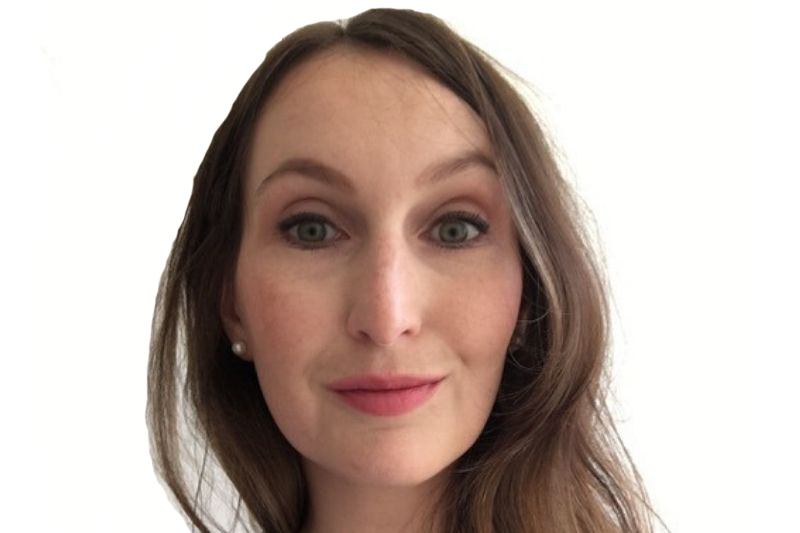
Aimee Mollaghan
Date(s)
October 1, 2025
Location
Old McMordie Hall, Music Building
Time
13:00 - 14:00

Autonomous Sensory Meridian Response (ASMR) is a subjective perceptual sensory phenomenon. Often triggered by certain sensory stimuli or certain social scenarios, especially ones of intimate or personal attention, it typically results in a tingling in the scalp, neck, back, arms. Videos began to appear on social media streaming sites such as YouTube around 2010, which were designed to re-enact scenarios of stimulation and/or reproduce trigger sounds through technologically enabled proximity. Often these videos involve the simulation of therapeutic or caring scenarios, associating an affective pleasure with the experience of care. ASMR videos deliberately draw on the haptic properties of sound to engage the body of the viewer and connects it with body of the “ASMRtist”. Specific sounds such as white noise or those produced by actions such as typing, scraping, brushing, or crinkling can trigger an ASMR response. Further to this, ASMR videos are closely associated with the materiality of the voice. They often, but not always, involve feminine voices with soft or whispered utterances. Although, ASMR has generally been associated with participatory streaming platforms, the sonic stimuli and modes of address associated with ASMR are increasingly becoming apparent in narrative film and quality television drama, particularly during scenes simulating caring scenarios. Drawing on examples from film and television, this paper explores how moving image sound design is increasingly used to replicate or trigger ASMR responses in, or for, audiences within a narrative context.

Dr. Aimee Mollaghan is a Senior Lecturer in Film and Screen Studies at Queen’s University, Belfast. She holds a PhD in Film Studies from the University of Glasgow and a practice as research MPhil in 2D/3D Motion Graphics from Glasgow School of Art. Her main research interests focus on the relationship between music, sound, and the moving image. She is the author of the monograph The Visual Music Film, which focuses on conceptions of musicality in abstract experimental animation and filmmaking practices and is currently writing a monograph on ASMR and Audiovisual Culture for Bloomsbury. Her book Haunted Soundtracks: Audiovisual Cultures of Memory, Landscape and Sound, co-edited with Prof. Kevin Donnelly was published in November 2023. The books contains essays grounded in hauntology, landscape, and moving image sound practices across a range of audiovisual media. She has also published research on the sound and music of experimental moving image, film and television scoring, audiovisual landscapes, and hauntology.

Event type
Workshop / Seminar / Course
Department
School of Arts, English and Languages
Audience
All
Add to calendar
Subject/Theme
Music / Sonic Arts
Share
  • Facebook
  • Twitter
  • LinkedIn
  • Weibo
  • Email
Aimee Mollaghan
Events
  • Subscribe to our Mailing List
  • SARC Youtube Channel
  • SARC Radio
  • Archive 2025 Events
  • Archive 2024 Events
  • Archive 2023 Events
  • Archive 2022 Events
  • Archive 2021 Events
  • Archive 2020 Events
  • Archive 2019 Events
  • Archive 2018 Events
QUB Logo
Contact Us
SARC: Centre for Interdisciplinary Research in Sound and Music 
School of Arts, English & Languages
4 Cloreen Park
Belfast
BT9 5HN
United Kingdom

General Enquiries
Tel: +44 (0) 28 9097 4867
E-mail: sarc@qub.ac.uk

Quick Links

  • Home
  • About
  • Facilities
  • News
  • Events

Social Media

© Queen's University Belfast 2024
  • Privacy and cookies
  • Website accessibility
  • Freedom of information
  • Modern slavery statement
  • Equality, Diversity and Inclusion
  • University Policies and Procedures
Information
  • Privacy and cookies
  • Website accessibility
  • Freedom of information
  • Modern slavery statement
  • Equality, Diversity and Inclusion
  • University Policies and Procedures

© Queen's University Belfast 2024

Manage cookies