
Top
Skip to Content
LOGO(small) - Queen's University Belfast
  • Our facebook
  • Our linkedin
  • Our youtube
LOGO(large) - Queen's University Belfast

The Institute For Global Food Security

  • Home
  • Research
    • Nutrition and Preventive Medicine
    • Enabling Technologies, Data and Data Innovation
    • Food Integrity
    • Agriculture & Environmental Resilience
    • Research Impact
    • Research Culture
    • Research Environment
    • Recent Research Outputs
    • Postgraduate Research
  • Partnerships (including EIT Food)
    • Queen's-AFBI Alliance
  • Contact
    • Researchers and PhD supervisors
    • Key Contacts
    • Laboratory Staff
  • News
    • News Archive 2022
    • News Archive 2021
    • Covid-19 and Food podcast
    • News Archive 2020
    • News Archive 2019
    • News Archive 2018
    • News Archive 2017
    • News Archive 2016
  • Facilities (including ASSET lab)
  • Events
  • Media
  • Home
  • Research
    • Nutrition and Preventive Medicine
    • Enabling Technologies, Data and Data Innovation
    • Food Integrity
    • Agriculture & Environmental Resilience
    • Research Impact
    • Research Culture
    • Research Environment
    • Recent Research Outputs
    • Postgraduate Research
  • Partnerships (including EIT Food)
    • Queen's-AFBI Alliance
  • Contact
    • Researchers and PhD supervisors
    • Key Contacts
    • Laboratory Staff
  • News
    • News Archive 2022
    • News Archive 2021
    • Covid-19 and Food podcast
    • News Archive 2020
    • News Archive 2019
    • News Archive 2018
    • News Archive 2017
    • News Archive 2016
  • Facilities (including ASSET lab)
  • Events
  • Media
  • Our facebook
  • Our linkedin
  • Our youtube
In This Section
  • News Archive 2022
  • News Archive 2021
  • Covid-19 and Food podcast
  • News Archive 2020
  • News Archive 2019
  • News Archive 2018
  • News Archive 2017
  • News Archive 2016

  • Home
  • News

News

Three servings a day - the fruit habit that could boost your mood

28 January, 2026

Researchers from Queen’s University Belfast have found that consuming a diet rich in flavonoids such as berries, apples and citrus fruits, may help people feel happier and more optimistic over time.
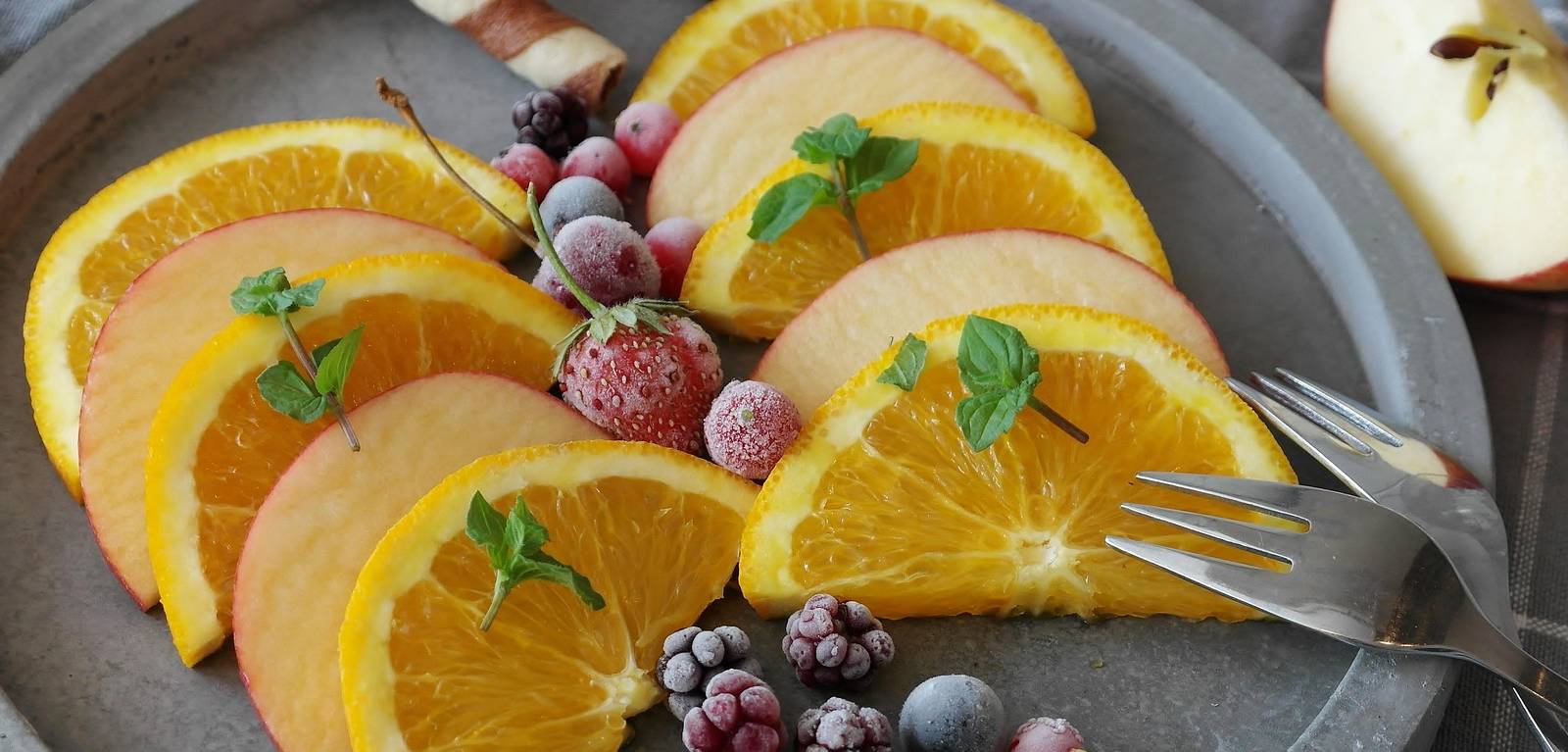
oranges and berries on a plate

This new research, which was co-led by the Harvard T.H. Chan School of Public Health, is one of the first large-scale studies to examine the role of flavonoids in psychological wellbeing.

Flavonoids are naturally occurring compounds found in a wide variety of plant foods. They have long been linked to better physical health and are present in berries, apples, citrus fruits, tea, grapes, dark chocolate and even red wine.

Published in Clinical Nutrition, the study drew on 18 years of follow-up data from the U.S Nurses’ Health Study, which included tens of thousands of women.

It showed that women who consumed around three servings per day of flavonoid-rich foods were more likely to maintain higher levels of happiness and optimism.

Commenting on the research, Professor Aedín Cassidy, from the Co-Centre for Sustainable Food Systems and the Institute for Global Food Security at Queen’s said:

“We know from previous research that people who have a higher flavonoid intake tend to live longer, and they are also less likely to get any of the major chronic diseases such as dementia, diabetes or heart disease.”

“This new research shows that people who consume more flavonoids also tend to be happier and more optimistic. Several specific flavonoid-rich foods including berries (blueberries, strawberries), apples, citrus fruits were associated with a 3-16% greater likelihood of sustained psychological wellbeing. Overall, these findings underscore the potential for simple dietary modifications to support long-term psychological wellbeing.”

The findings also demonstrate evidence of a two-way connection that showed women with higher levels of wellbeing, were more likely to maintain a healthier, flavonoid-rich diet over time.

Dr Alysha Thompson, Research Fellow from the Co-Centre for Sustainable Food Systems and the Institute for Global Food Security at Queen’s added:

“Our research shows that simple, everyday choices, like adding berries, apples, and citrus to your diet, could help people feel happier and more optimistic over time. This is one of the first large studies to highlight the connection between what we eat and our long-term sense of wellbeing, and it points to a positive cycle, eating well can boost happiness, and feeling happier may encourage healthier dietary habits.”

Professor Eric Rimm from Harvard University was co-lead on the study, he noted:

“This was such a great team effort to work on this new research. Our team included nutritional biochemists, epidemiologists, statisticians, and behavioural scientists. Doing this type of team science really helps to elucidate and more deeply understand the importance of choosing the right food as part of a healthy diet.”

Also involved in the study was Brigham and Women’s Hospital, Johns Hopkins Bloomberg School of Public Health, Chapman University, and Université du Québec à Trois-Rivières.

You can read the paper in full here.

Media

For media enquiries, please contact Grace White at Queen’s Communication Team: g.white@qub.ac.uk

Share
Latest News
  • Three servings a day - the fruit habit that could boost your mood
    28 January, 2026
  • Lethal pandemic disease slowing down the extinction of amphibians in tropical climates, study shows
    23 January, 2026
  • Queen’s student makes new discovery on Strangford Lough
    22 January, 2026
  • Queen’s researcher receives BBSRC New Investigator Award to tackle mosquito-borne disease threats
    5 January, 2026
  • QUB Researcher awarded 2025 Nils Foss Talent Prize
    8 December, 2025
News
  • The Institute for Global Food Security
  • News Archive 2022
  • News Archive 2021
  • Covid-19 and Food podcast
  • News Archive 2020
  • News Archive 2019
  • News Archive 2018
  • News Archive 2017
  • News Archive 2016
QUB Logo
Contact Us

Institute for Global Food Security
Biological Sciences Building
19 Chlorine Gardens, Belfast
BT9 5DL

Email: sbsigfsoffice@qub.ac.uk
Tel: +44 (0)28 9097 5787

Quick Links

  • Home
  • Research
  • Study
  • Partnerships


© Queen's University Belfast 2024
  • Privacy and cookies
  • Website accessibility
  • Freedom of information
  • Modern slavery statement
  • Equality, Diversity and Inclusion
  • University Policies and Procedures
Information
  • Privacy and cookies
  • Website accessibility
  • Freedom of information
  • Modern slavery statement
  • Equality, Diversity and Inclusion
  • University Policies and Procedures

© Queen's University Belfast 2024

Manage cookies