Professor Michael Williams

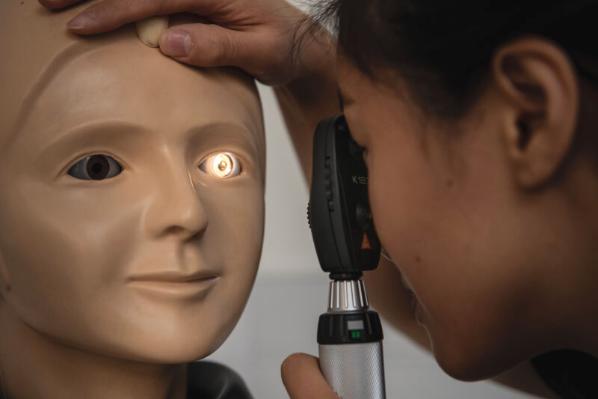
Queen's University is at the forefront of ophthalmology research, delving into innovative approaches to address sight-related disorders.
Their multidisciplinary teams explore advancements in diagnostics, treatments, and surgical techniques, aiming to enhance patient outcomes and quality of life.
OPHTHALMOLOGY
- Promising Artificial Intelligence-Machine Learning-Deep Learning Algorithms in Ophthalmology
- Increased choroidal thickness in adults with Down syndrome
- 3D printing in ophthalmology: from medical implants to personalised medicine
- Paediatric ophthalmology in Nepal
- DLS Study: The Double Layer Sign Is Highly Predictive of Progression to Exudation in Age-Related Macular Degeneration
- ENGINE (Eyecare Nurtures Good-health, Innovation, driviNg-safety and Education)
- BEAMS Study: Belfast Eye And Multiple Sclerosis Study
- REVEAL Study: The Eye In Down Syndrome As A Window To Alzheimer’s Disease
- THRIVE Study (Tradespeople and Hand-workers Rural Initiative for a Vision-enhanced Economy)
- CHAMP-UK Trial: Low-dose atropine eye drops to reduce progression of myopia in children: a multi-centre placebo controlled randomised trial in the United Kingdom
- Low-dose (0.01%) atropine eye-drops to reduce progression of myopia in children: a multicentre placebo-controlled randomised trial in the UK (CHAMP-UK)-study protocol
OPHTHALMIC SURGERY
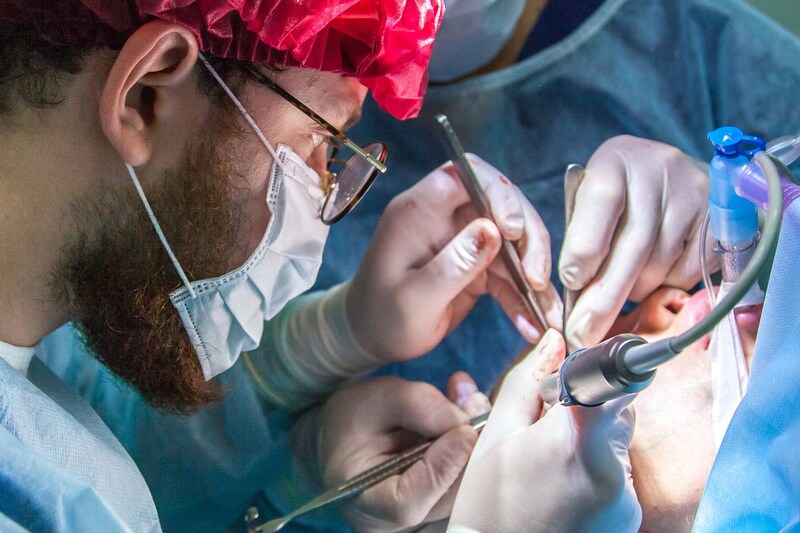
Queen's is renowned for its pioneering research in ophthalmic surgery, focusing on improving surgical techniques and patient care. Collaborating with clinicians and scientists worldwide, their research endeavors encompass innovative approaches to treat a range of ocular conditions, from cataracts to retinal disorders.
- Improving the practice of cataract surgical outcome measurement
- Prevalence of diabetes and diabetic macular edema in patients undergoing senile cataract surgery in Italy: The DIabetes and CATaract study
- A decision aid to facilitate informed choices among cataract patients: A randomized controlled trial
- Biometric refractive error after cataract and retina surgery: a systematic review and a benchmark proposal
OPHTHALMIC SURGERY
- Real-Time Imaging of Incision-Related Descemet Membrane Detachment During Cataract Surgery
- Andersen's utilization model for cataract surgical rate and empirical evidence from economically-developing areas
- Intraocular lens optic edge design for the prevention of posterior capsule opacification after cataract surgery
- Design and conduct of randomized clinical trials evaluating surgical innovations in ophthalmology: a systematic review
- Stress and cataract surgery: A nationwide study evaluating surgeon burnout
RETINOPATHY
Queen's retinopathy research is dedicated to unraveling the complexities of this sight-threatening condition. Their interdisciplinary teams investigate the underlying mechanisms of retinal diseases, such as diabetic retinopathy and age-related macular degeneration, aiming to develop targeted therapies and interventions.
- Screening for diabetic retinopathy: new perspectives and challenges
- Targeting RGD-binding integrins as an integrative therapy for diabetic retinopathy and neovascular age-related macular degeneration
- Evaluation of a new model of care for people with complications of diabetic retinopathy: The EMERALD Study
RETINOPATHY
- Retinopathy risk calculators in the prediction of sight-threatening diabetic retinopathy in type 2 diabetes: a FIELD substudy
- A deep learning model for detection of Alzheimer's disease based on retinal photographs: a retrospective, multicentre case-control study
- Feasibility and acceptance of artificial intelligence-based diabetic retinopathy screening in Rwanda
- Retina pathology as a target for biomarkers for Alzheimer's disease: Current status, ophthalmopathological background, challenges, and future directions
- Relaxation of mitochondrial hyperfusion in the diabetic retina via N6-furfuryladenosine confers neuroprotection regardless of glycaemic status
GLAUCOMA
Queen's researchers lead innovative research initiatives in glaucoma, a progressive eye disease affecting millions worldwide. Their comprehensive studies delve into understanding the pathophysiology of glaucoma, exploring novel diagnostic methods and treatment modalities.
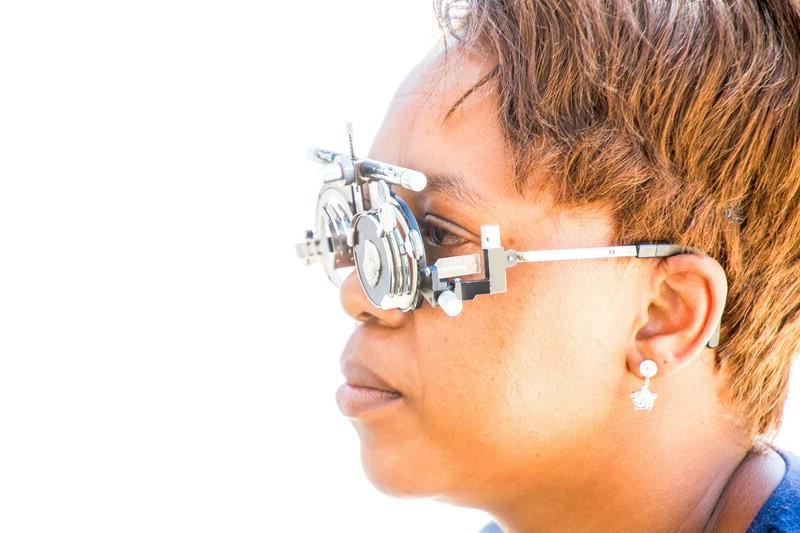
GLAUCOMA
- Systematic review of the method and quality of reporting of complications from studies evaluating innovative glaucoma surgical procedures
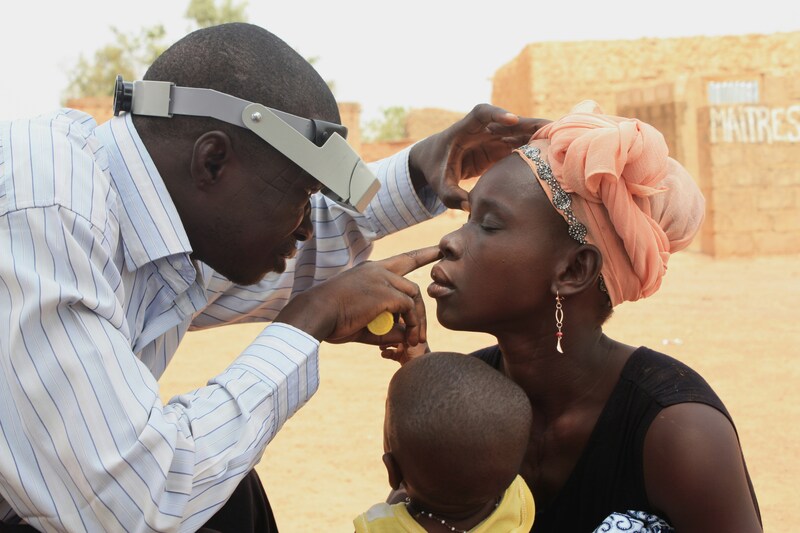
- Glaucoma treatment patterns in Sub-Saharan Africa
- Adverse effects and Safety in Glaucoma Patients - Agreement on Clinical Trial Outcomes for Reports on Eye Drops (ASGARD) - A Delphi Consensus Statement
- Effects of socioeconomic status on baseline values and outcomes at 24 months in the treatment of Advanced Glaucoma Study randomised controlled Trial
- Effectiveness of early lens extraction for the treatment of primary angle-closure glaucoma (EAGLE): a randomised controlled trial
- Validating and Updating the OHTS-EGPS Model Predicting 5-year Glaucoma Risk among Ocular Hypertension Patients Using Electronic Records
- ACE Trial: Study of Technologies for the Diagnosis of Angle Closure glaucoma (ACE)

NI SCIENCE FESTIVAL 2026
The WWIEM held an open day at the Northern Ireland Science Festival - “LOVE YOUR HEALTH”, aimed to celebrate science, foster curiosity, and promote STEM education among participants of all ages. The event on 14 February 2026 attracted a diverse audience of over 200 visitors, including families, students, educators and science enthusiasts from the local community and beyond. The success of the Science Festival would not have been possible without the invaluable contributions of our dedicated volunteers. Over 50 volunteers generously donated their time and expertise to assist with event planning, setup, coordination, and participant engagement. Their enthusiasm, professionalism, and passion for science greatly enhanced the overall experience for attendees.
The love your eyes team was made up of five Teams from the Wellcome-Wolfson Institute for Experimental Medicine (WWIEM) and the Centre for Public Health (CPH).
Thank you to volunteers: Tara Cullen (WWIEM, Little group), Kate Carling (WWIEM, Lengyel group), Valeria De Filippis (CPH, Peto group), Ashleigh McMullan (WWIEM, Fitzgerald group) and Alexander Herman (WWIEM, Beli group).
 Professor Alan Stitt
 Professor Augusto Azuara-Blanco
 Professor David Simpson
 Dr David Wright
 Professor Denise Fitzgerald
 Dr Denise McDonald
 Dr Eleni Beli
 Miss Emma McConnell
 Dr Guilherme Costa
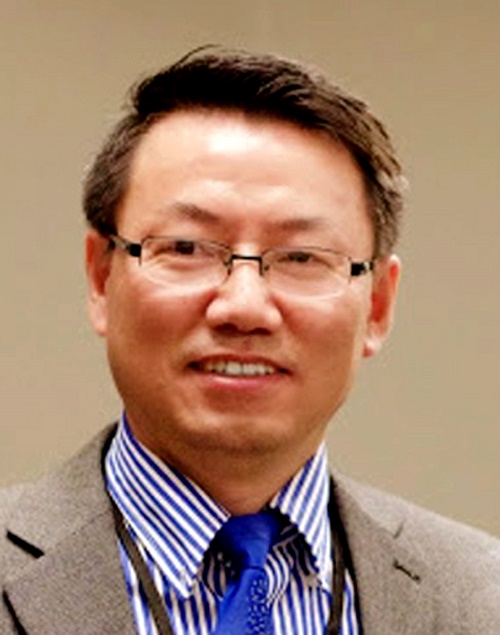 Professor Heping Xu
 Professor Imre Lengyel
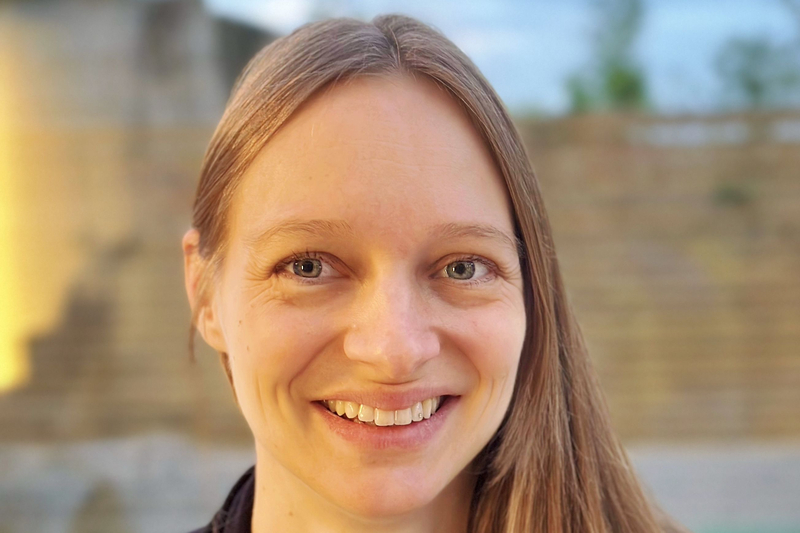 Dr Judith Lechner
 Dr Karis Little
 Dr Lynne Lohfeld
 Professor Mei Chen
 Professor Noemi Lois
 Professor Ruth Hogg
 Professor Tim Curtis
 Professor Tunde Peto
 Professor Usha Chakravarthy
 Dr Ving Fai Chan
 Professor John Norrie
 Dr Michael O'Hare
 Dr Raymond Beirne