 Professor Olwen Purdue
Public History
At Queen's
Our Research
Research in public history at Queen’s University Belfast examines how history is understood, represented, and engaged with by communities and audiences beyond the classroom. Our researchers investigate a wide range of historical periods and global contexts, with a particular focus on Northern Ireland’s complex and contested past. This work explores how history can be collaboratively interpreted, shared, and applied in the public sphere, fostering dialogue between academics, practitioners, and diverse communities locally and internationally.
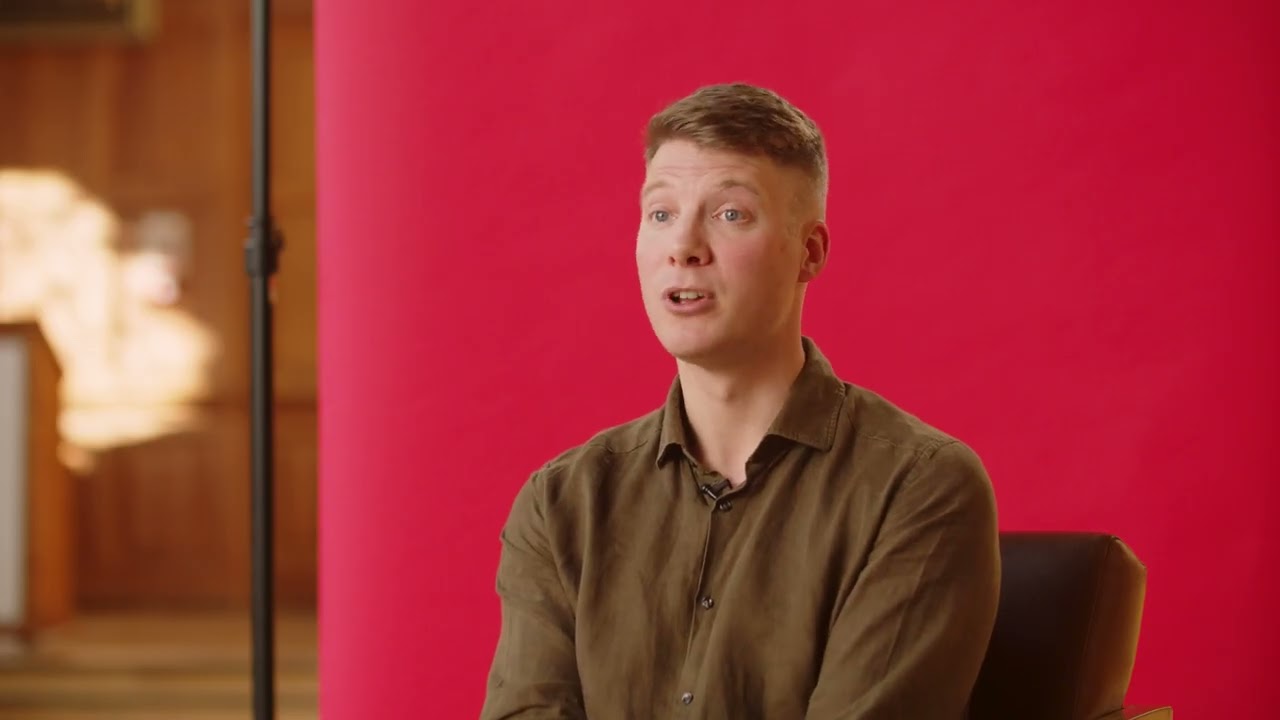
The Centre for Public History provides a lively hub for those at Queen’s engaged in researching and practicing public history. The centre’s director, Professor Olwen Purdue, is a social historian of nineteenth and early twentieth-century Ireland with a particular focus on social class, urban poverty and welfare.
RESEARCH TO REALITY:
From Divided Societies to Cohesive Communities
Research topics
-
Current Projects
The Centre for Public History at Queen’s leads a wide range of research and engagement projects that connect academic scholarship with public communities. Current and past initiatives explore local, national, and global histories, including collaborative work on Chinese heritage in Northern Ireland, the public history of Northern Irish estates, energy and climate change, museums and empire and Irish revolutionary history.
Other projects examine music and cultural history, archival and manuscript studies, the Mayflower’s historical meanings and contested social histories such as Mother and Baby Homes. The Centre also engages communities through public storytelling initiatives, arts and object-based research and international collaborations.
Across these projects, the Centre emphasises collaborative research, interdisciplinary methods, and innovative approaches to exploring, interpreting, and sharing history in the public sphere.
- Divided Societies to Cohesive Communities
Our research transforms the lives of people living in post-conflict communities around the world. As a university in Northern Ireland, our lived experience of conflict in society drives our research excellence in peace and reconciliation.
Our experts in Sociology, Education, Law and Politics & International Studies are exploring how shared education can break down barriers between divided communities. Our research investigates how to deal with the legacy of a troubled past and the importance of placing the rights of survivors and victims at the heart of the debate. And we examine the benefits of engaging different communities in the exploration of their histories to tell a story that goes beyond binary identities.
Our local experiences have helped us to produce global research into peace after conflict. This research has transformed lives and communities. And that’s why, in our mission to build cohesion in post-conflict societies, research is just the start of what we do.
- Featured Publications
- Dealing with difficult pasts: the role of public history in post-conflict Northern Ireland [Sept 2020]
- Collecting ambiguity: objects and the afterlives of empire on the island of Ireland [May 2025]
- Public social histories of colonialism and postcoloniality in Ireland: kinship and equality in the MMMV Project [Nov 2024]
- Yours, mine, and ours. Migrant Research Project: A partnership project with Queen's University Belfast and Lisburn Museum [Aug 2024]
- Our place, our stories: public history journeys from Belfast to Dhiban, and back [Jan 2024]
- Remembering the violent past in ethnically divided societies [Nov 2024]
- The Mayflower and historical culture in Britain, 1620-2020 [Dec 2023]
- Emotion, place and weaponisation of the truth: the Bloody Sunday Trust and the search for justice [March 2022]
- Troubling Pasts: Teaching Public History in Northern Ireland [July 2021]
 Professor Sean O'Connell
 Dr Leonie Hannan
 Dr Niamh Cullen
 Dr Emma Reisz
 Dr Nik Ribianszky