
News
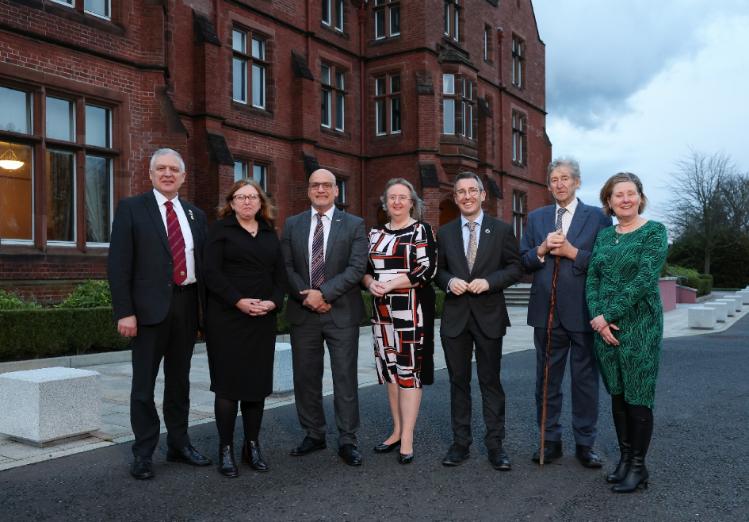
The 2026 George Scott Robertson Memorial Lecture held in Riddel Hall recently was delivered by Ash Amirahmadi, CEO of Sofina Foods Europe
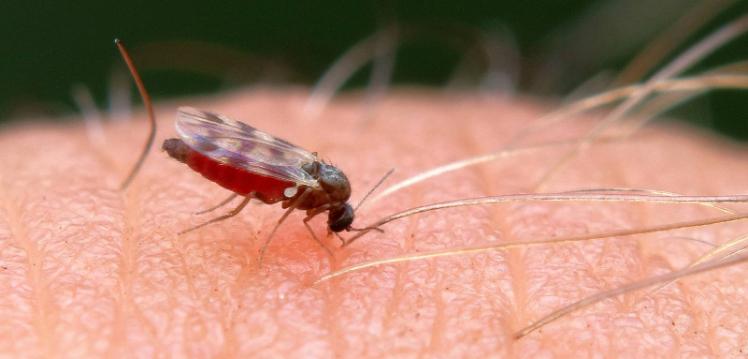
New research led by Queen’s University Belfast reveals that biting midges, the insects responsible for transmitting bluetongue virus, can survive colder temperatures than previously thought, having implications for the overwintering of the virus.
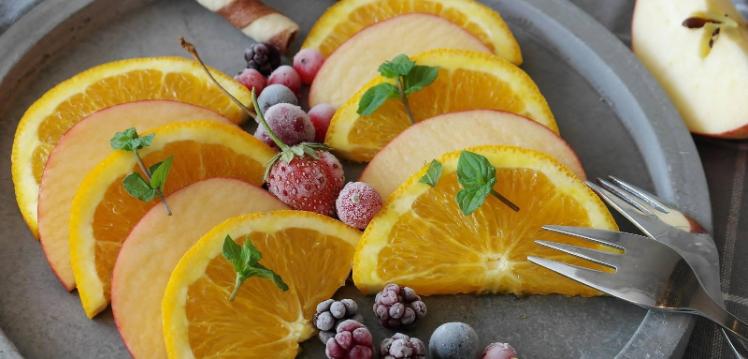
Researchers from Queen’s University Belfast have found that consuming a diet rich in flavonoids such as berries, apples and citrus fruits, may help people feel happier and more optimistic over time.
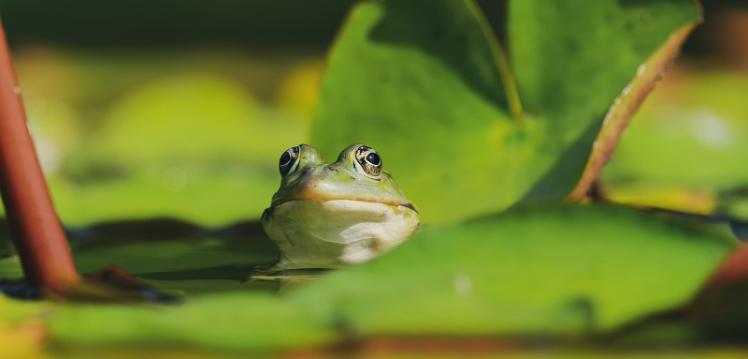
A new, global study led by Queen’s University Belfast reveals that tropical amphibians have evolved resistance to the most lethal wildlife pathogen recorded to date.
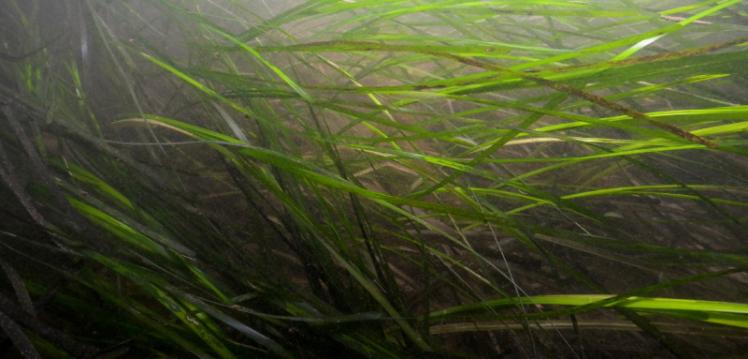
A new seagrass meadow has been discovered at Strangford Lough by a PhD student from the School of Biological Sciences.
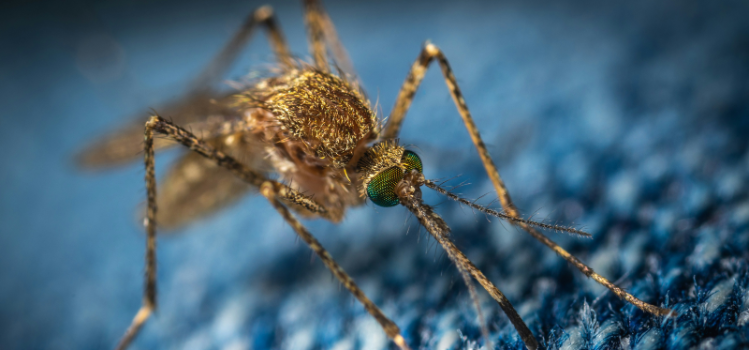
Dr Ross Cuthbert from the School of Biological Sciences has been awarded over £1 million from the Biotechnology and Biological Sciences Research Council to lead a major new project on mosquitoes, their viruses, and disease risks in Northern Ireland.
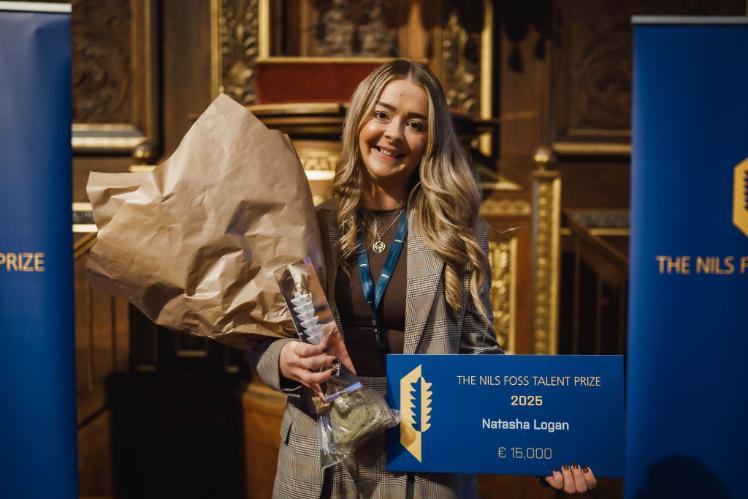
At a recent ceremony hosted in Copenhagen, Dr Natasha Logan from Queen’s University Belfast was honoured with this year’s Nils Foss Talent Prize.
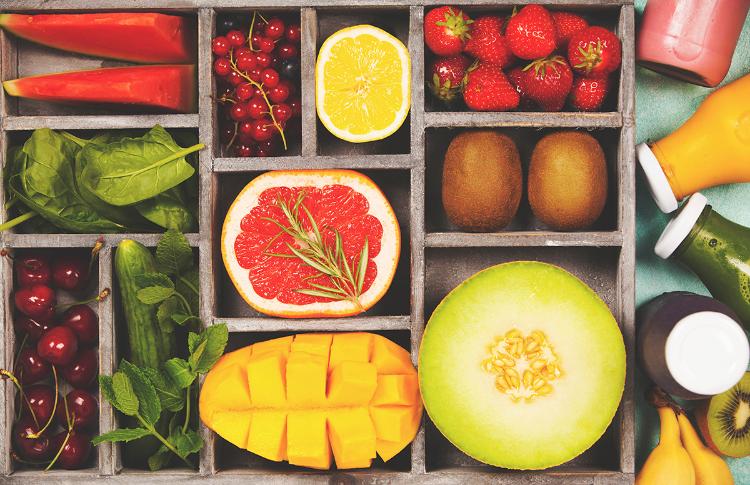
Queen’s University Belfast researchers have played a leading role in developing a new ‘Sus-Health Index’, a single, easy-to-read measure that combines a food’s nutritional value with its environmental impact.

Queen’s academic, Dr Simon Cameron, has been appointed the new Academic in Residence by the National Measurement Laboratory (NML) at LGC for the NML’s Centre for Excellence in Agriculture and Food Integrity at the University.
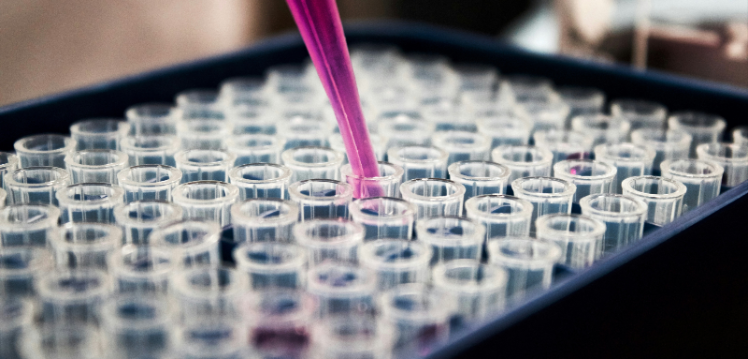
A research team from Queen’s University Belfast has received funding to lead a new UK network that will aim to reduce helminth parasite diseases, also known as worm infections, in the UK and worldwide.

Queen's University Belfast will work with the Food Safety Research Network (FSRN) to tackle the UK’s most pressing foodborne risks, by connecting science with those who feed the nation.
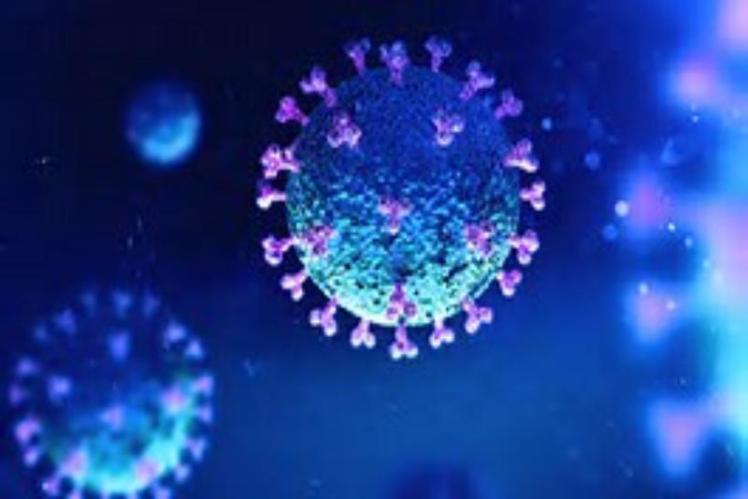
A new large-scale study led by researchers from Queen’s University has shown that combined wastewater testing and testing of individuals is the most effective way to track SARS-CoV-2, the virus that causes COVID-19.
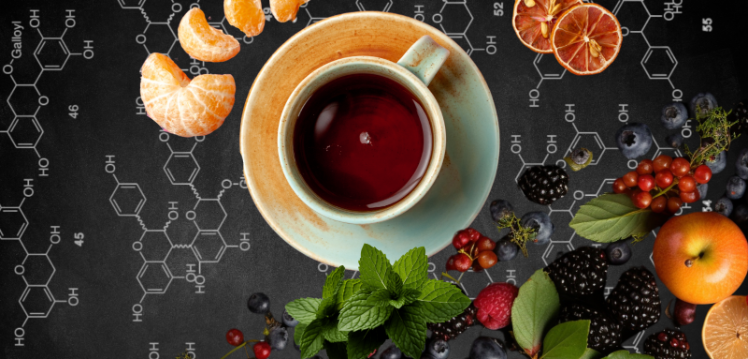
New research has found that those who consume a diverse range of foods rich in flavonoids, such as tea, berries, dark chocolate, and apples, could lower their risk of developing serious health conditions and have the potential to live longer.
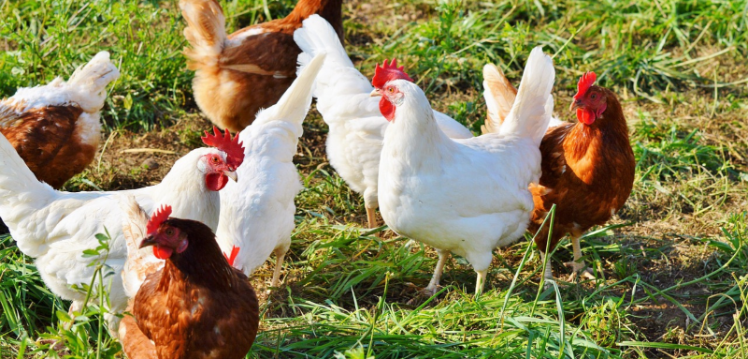
A first-of-its-kind study led by Queen’s University Belfast reveals contaminated crops on farms could be costing poultry organisations over £150,000 in losses annually.
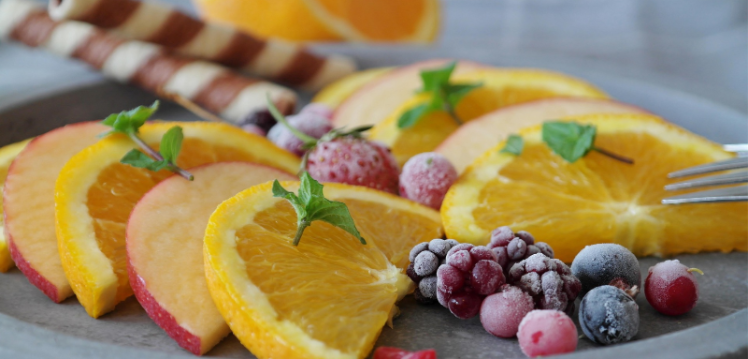
Higher intakes of black tea, berries, citrus fruits and apples could help to promote healthy ageing, new research has found.

The event, which was supported by the Gibson Trust, is a cornerstone in the Northern Ireland agri-food calendar.
-750x454.png)
A first-of-its-kind study, led by Queen’s University Belfast, exposes the potentially harmful materials found in gum that are going unnoticed.

Warm temperatures and erratic rainfall due to climate change are taking a toll on Northern Ireland’s health and farming industry, a new study reveals.
-750x421.png)
A new study indicates animal populations living in urban areas show elevated resilience to stressful environmental conditions, with conservation implications.

Research at Queen’s is at the forefront of research to understand and manage the impacts of human-induced global change. Dr Daniel Pincheira-Donoso explains more.
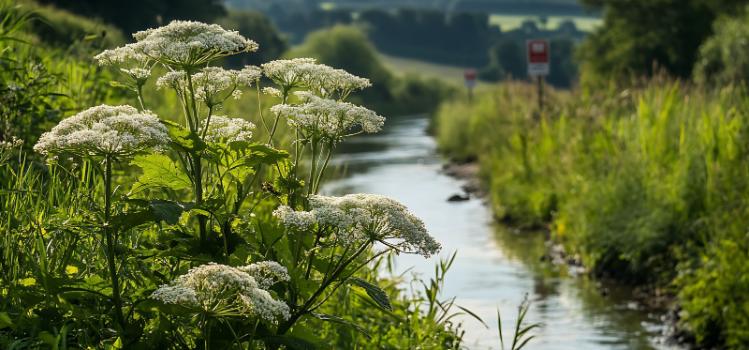
Dr Ross Cuthbert explores the growing environmental problem that threatens ecosystems, human health, and the economy.
-750x421.png)
Guidelines released for research and implementation of feed additives to reduce ruminant methane emissions.

The School of Biological Sciences is deeply saddened by the passing of our esteemed colleague, friend and mentor to many, Professor Simon Doherty.
-750x470.png)
Five pioneering UK research projects have each received a share of £14.5 million funding under phase two of the transforming land use for net zero, nature and people programme.
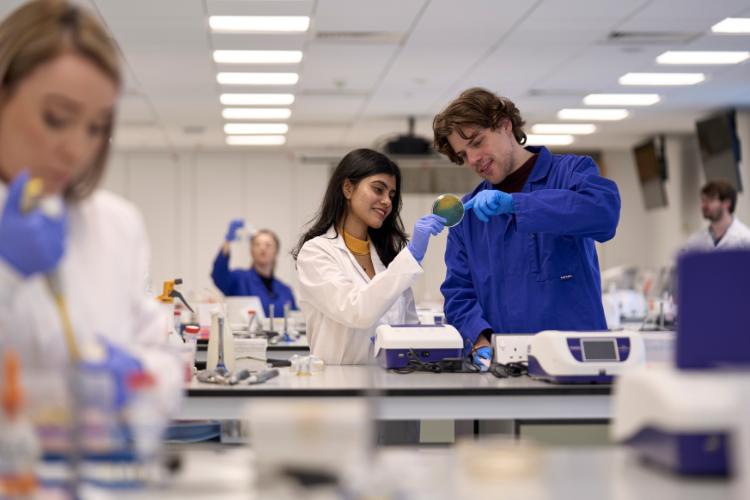
Queen’s University and Ulster University have been successful in a major, UK government funding award to train a new generation of PhD students in the joint area of AI and bio-sciences.

At a recent ceremony hosted in Copenhagen, Professor Rudolf Krska from Queen’s University Belfast was honoured with this year’s Nils Foss Excellence Prize.
Professor Simon Doherty, Senior Lecturer at Queen’s University Belfast, has been awarded an Honorary Professor of Practice for his remarkable dedication to his field.

Researchers from Queen’s University Belfast have discovered a cutting-edge way to track both human and avian flu variants using wastewater.
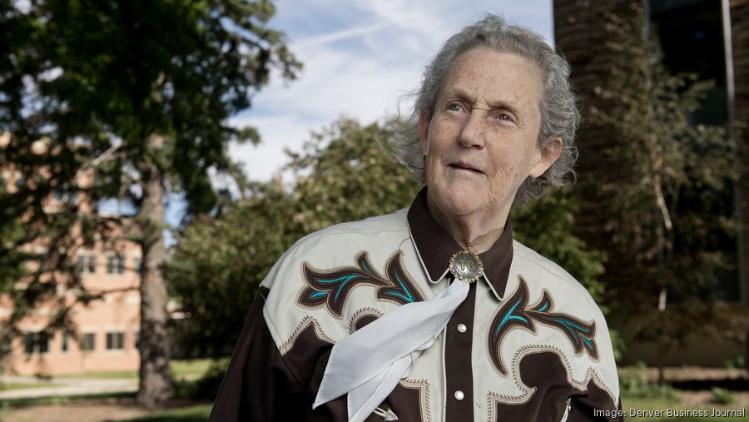
This week, Queen’s University Belfast excitingly welcomes renowned American academic and animal behaviour expert, Dr Temple Grandin to campus.
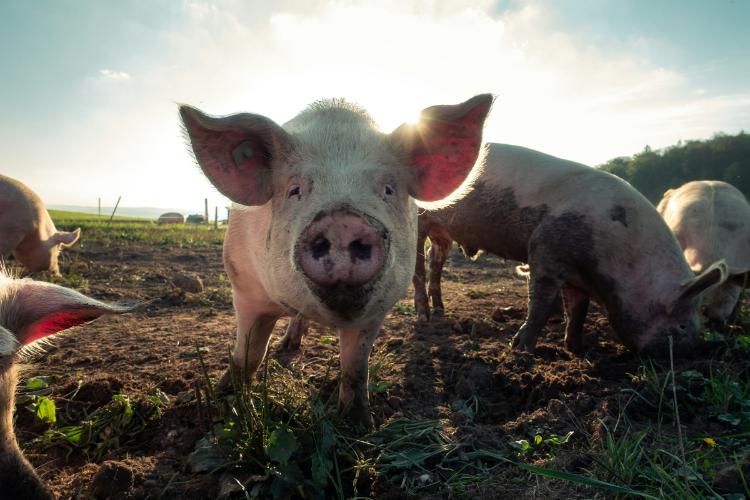
Queen’s University Belfast secures funding from DAERA as part of the US-Ireland R&D Partnership Programme to use AI for improving piglet survival rates by monitoring feeding patterns and enhancing husbandry practices.
-750x506.png)
New research has found that those who consume more foods rich in flavonoids, such as berries, tea, red wine and dark chocolate, could lower their risk of dementia.
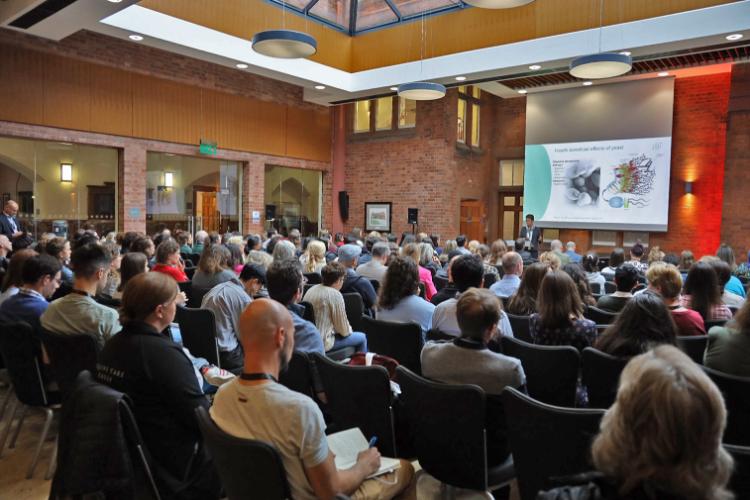
Queen's University were delighted to host the European Society for Veterinary and Comparative Nutrition (ESVCN) Congress, and the associated activities of the European College of Veterinary and Comparative Nutrition (ECVCN), for 3 days last week.
-750x500.png)
Much of the foul-smelling, so-called algal mats banked up around the shore of Lough Neagh consist of bacteria primarily associated with faeces from livestock or human-effluent.
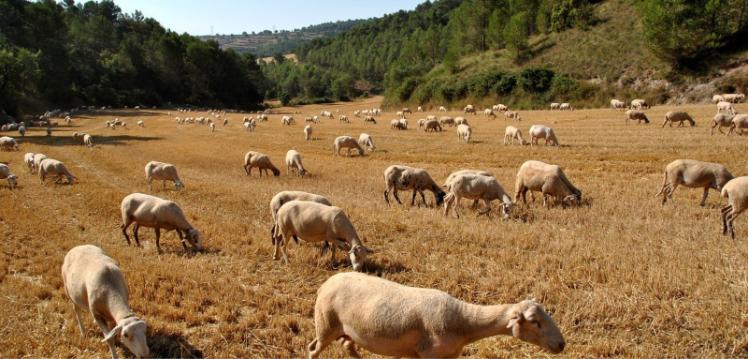
Across the world, farmers and governments are under growing pressure to address emissions from livestock, leading to calls to reduce livestock numbers.
Eight new networks, combining different research specialisms, will work together to tackle one of humanity’s biggest threats, antimicrobial resistance (AMR).
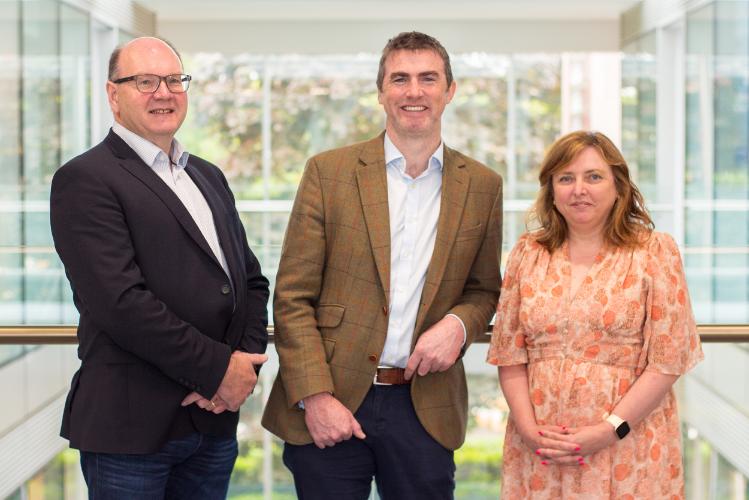
Dr Steven Morrison has been awarded an Honorary Professorship by the Institute for Global Food Security (IGFS) at Queen’s University Belfast.
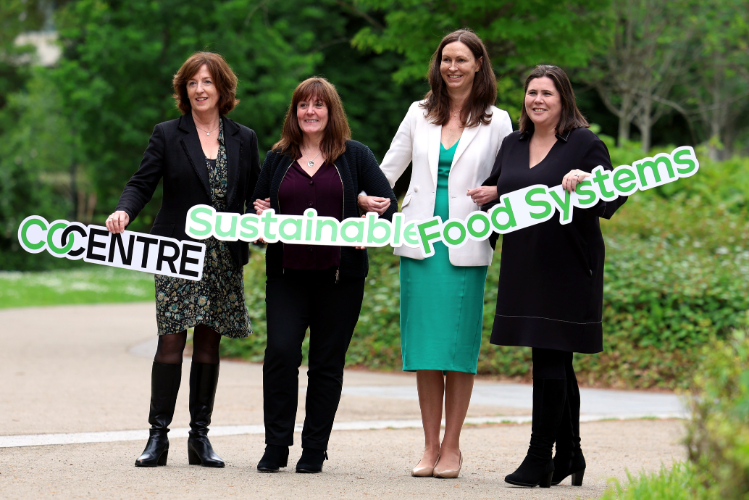
The new €35m research collaboration will aim to drive societal and political change in food systems to help the industry's transition to climate neutrality by 2050.

The new Co-Centre will deliver solutions to the most pressing challenges posed by climate change, biodiversity decline and water degradation across Ireland, Northern Ireland and Great Britain.
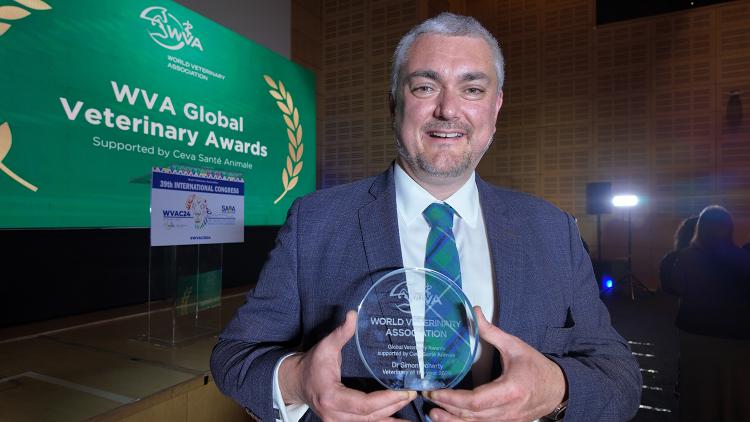
Dr Simon Doherty ‘thrilled’ to take home the prestigious World Veterinary Association title.
Queen's University and MOBILion Systems, Inc. have launched a new partnership to advance food safety by innovating test methods and tools that aim to quickly identify contaminants, enhancing current technologies for better detection.
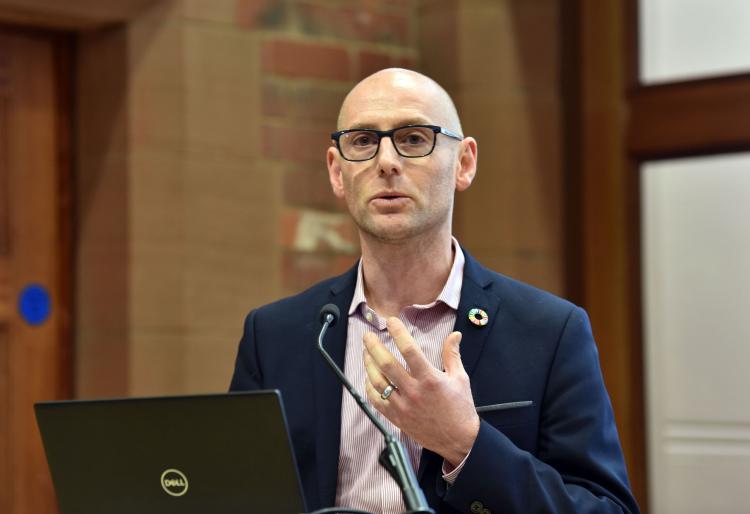
In a thought-provoking lecture held at Riddel Hall recently, Dr. Pete Falloon, Met Office's lead on Climate Service for Defra on Food, Farming, and the Natural Environment, asked the question "What does climate change mean for the UK food system?"
Biological Sciences and IGFS colleague has been announced as the winner of the “One Health” category of the World Veterinary Association (WVA) Global Veterinary Awards.
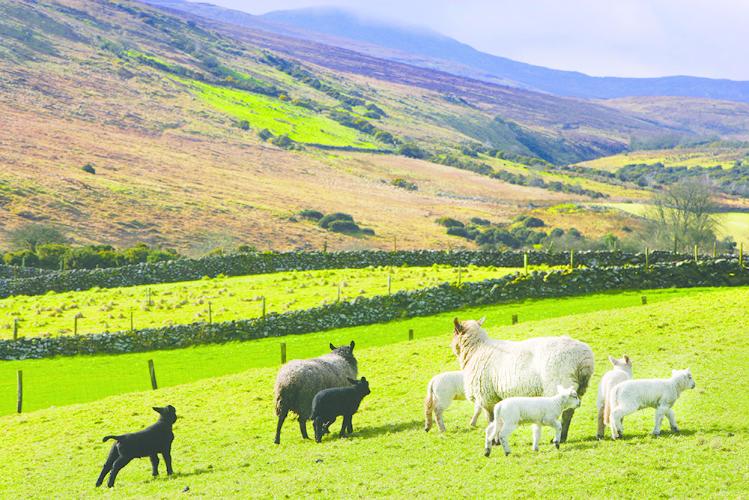
Queen’s University Belfast (QUB), Agri-Food and Biosciences Institute (AFBI) and Ulster University (UU) are members of a winning consortium of 34 organisations awarded a £6.5m government grant to establish a ‘Land Use for Net Zero’ (LUNZ) Hub.
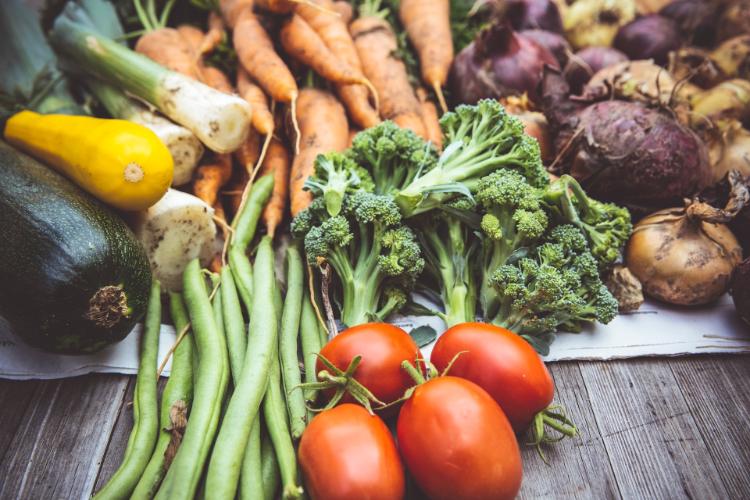
A new population-based study led by Queen’s University Belfast has found that a substantial number of type two diabetes cases could be avoided through adopting a healthy plant-based diet.