 Dr Laura Dunne
International Studies
At Queen's
Rethinking Power, Security, and Resistance in a Changing World
In a time of global uncertainty, climate breakdown, geopolitical fragmentation, and rising authoritarianism, the need for interdisciplinary research has never been more urgent.
Queen’s brings together researchers whose work challenges dominant narratives, deconstructs structures of power, and reimagines more just futures. From anticolonial solidarities and feminist critiques of militarism to ecological alternatives to growth and the politics of surveillance, these contributions push the boundaries of traditional international relations and security studies.
Rooted in diverse methodologies and global perspectives, work at Queen’s reflects our commitment to conduct interdisciplinary research that speaks to and intervenes in the pressing issues of our time, coming from a University based in a post-conflict city with living legacies.
Research topics
-
Security, Resistance, and Solidarity
Queen’s conducts cutting-edge research on anticolonial struggles, global resistance movements, and the evolving politics of solidarity. From Ireland to Palestine, our academics examine how historical and present-day movements intersect, challenge dominant narratives, and forge new forms of political belonging.
- The Borders of Belonging: Migration, Gender, and Ontological Insecurity
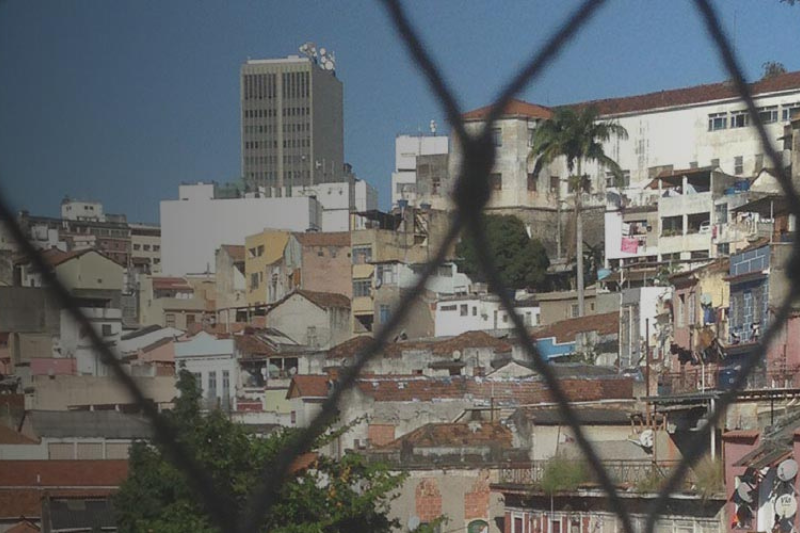
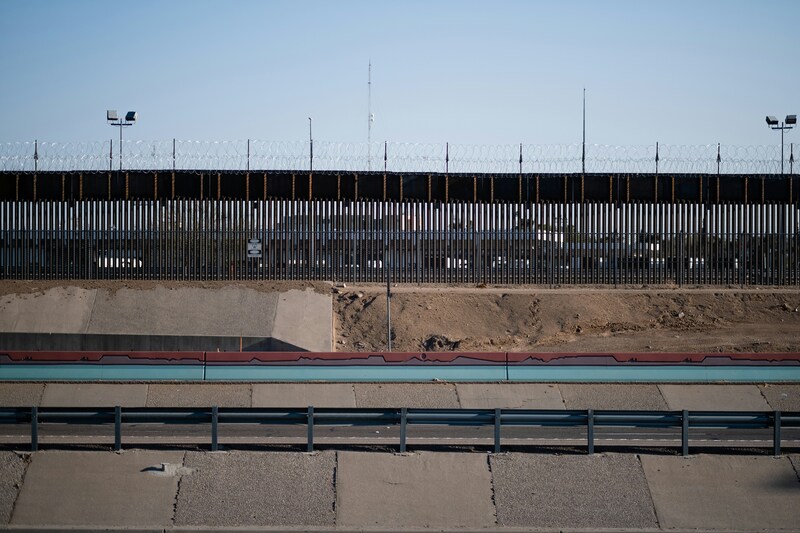
It is important to understand how borders of all kinds (physical, political, and emotional) shape identities, belonging, and security. Our researchers interrogate the psychological and material impacts of borders, militarism, and migration, and place attention on gendered and racialised experiences.
- Militarism, Technology and Surveillance
Researchers at Queen’s investigate the interplay between military institutions, emerging technologies, and cultural narratives, from esports recruitment, neuro-surveillance, and nuclear ecologies. It challenges the boundaries of war, play, and power in contemporary global politics.
- Post-growth, Climate, and Global Justice
What does an ecologically viable and socially just future look like? Queen’s academics address post-growth critiques, global aid regimes, and ecological unity as alternative frameworks to neoliberal norms. We must reimagine value, responsibility, and solidarity on a global scale.
- Discourse, Identity and the Politics Of Knowledge
Exploring the politics of narrative, myth, and discourse in international relations, Queen’s examines how institutions, identities, and imaginaries are constructed and contested. From Brexit’s emotional fallout to the weaponisation of knowledge in elite networks, we must decode how power is performed and legitimised.
-
Featured Publications
- Palestinian youth’s interpretations of and resistance to settler colonialism
- The end of peacekeeping: gender, race, and the martial politics of intervention
- The emergence of neuro-surveillance
- Why the landscapes of post-war infrastructure matter
- Critical international infrastructure: a case for secure, sustainable non-terrestrial networking
- Quo vadis neoliberalism in an age of resurgent state capitalism?
- Propaganda vs. truth: Israeli propaganda and Palestinian demonisation
 Professor Kieran McEvoy
 Dr Erika Jimenez
 Professor Joanne Hughes
 Dr Aisling O'Boyle
 Professor Richard English
 Professor Marsha Henry
 Dr Christopher Long
 Dr Sandra Scott-Hayward