
Past Inaugural Lectures
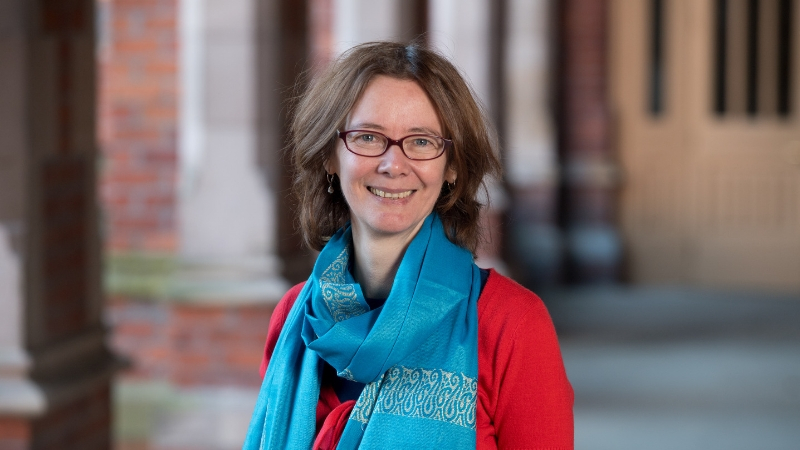
Stretched Ethnography: From Art to Anthropology and Back
Maruška Svašek, Professor of Anthropology, School of History, Anthropology, Philosophy and Politics
Co-Director, Centre for Creative Ethnography (CFCE)
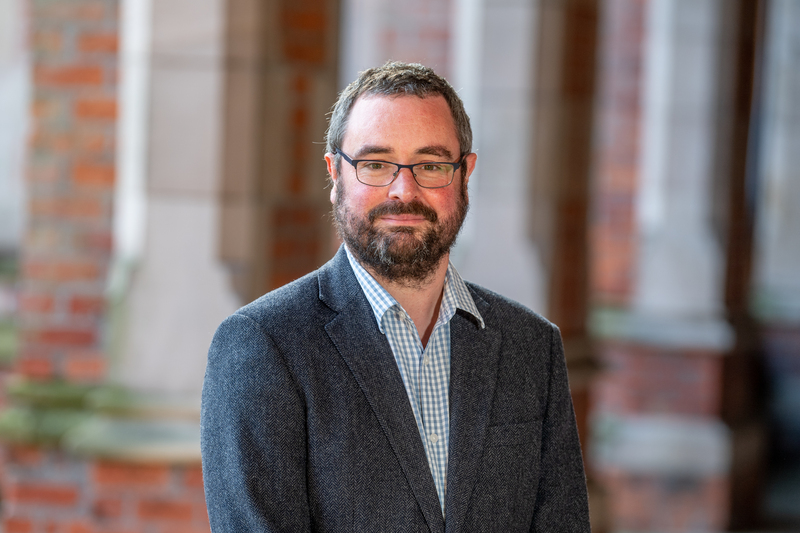
Why Study the Past? History at Queen's Since 1845
Andrew Holmes, Professor of Modern History and Head of History, School of History, Anthropology, Philosophy and Politics
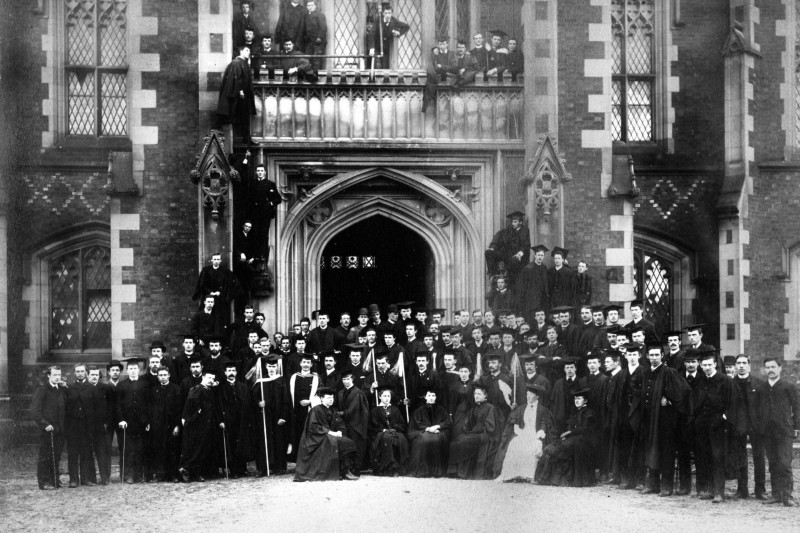
History in various forms has been taught at Queen's since its foundation. Over the decades, the teaching, research, and dissemination of knowledge about the past has evolved in response to developments within the university, in society in general, and in the historical profession. This lecture provides an overview of these developments in order to address why the study of the past still matters in an age of fake news and AI manipulation.
Andrew Holmes is Professor of Modern History and Head of History at Queens. Professor Holmes is an expert on the history of religion in Ireland and has published extensively on Presbyterianism and evangelicalism, including two Oxford University Press monographs, The Shaping of Ulster Presbyterian Belief and Practice 1770-1840 (2006) and The Irish Presbyterian Mind: Conservative Theology, Evangelical Experience, and Modern Criticism, 1830-1930 (2018). With Gladys Ganiel, he recently co-edited The Oxford Handbook of Religion in Modern Ireland (2024).
Image credit: Queen's University Belfast
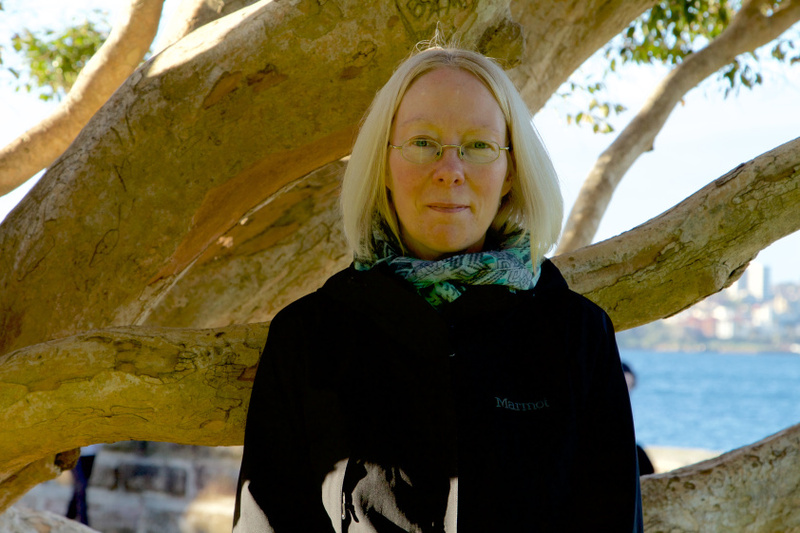
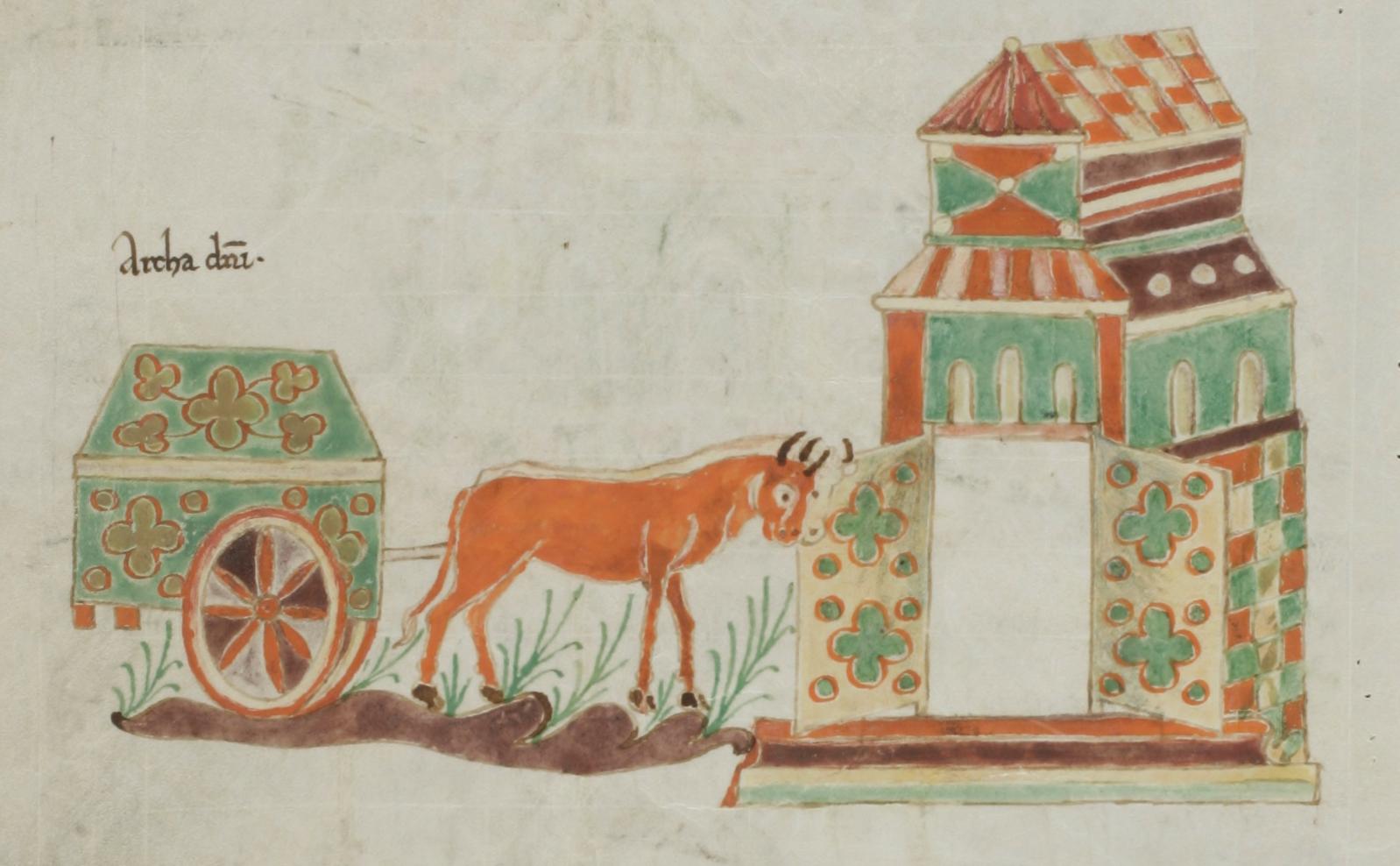
Poetry of Empire in the Medieval West, c. 750-900
Sinéad O’Sullivan, Professor of Early Medieval Intellectual History, School of History, Anthropology, Philosophy and Politics

Thatcher’s Cold War: The Battle of Ideas
Paul Corthorn, Professor of Modern British History, School of History, Anthropology, Philosophy and Politics
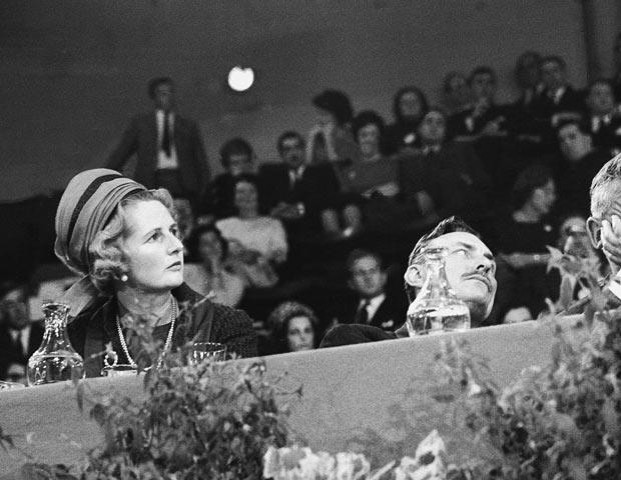
This lecture explores the ideological manner in which Margaret Thatcher, Conservative UK Prime Minister between 1979 and 1990, interpreted the Cold War. While Thatcher’s embrace of the ‘Special Relationship’ with the United States and the overall trajectory of her foreign policy are well known, far less attention has been given to the distinctive contribution Thatcher made to the public argument about the nature of the Cold War itself. Thatcher first used the term ‘the battle of ideas’ explicitly to describe the Cold War in a speech in Ottawa, Canada, in September 1983. This was a direct response to the comment made by Soviet leader Yuri Andropov earlier in the year about the competition for ‘hearts and minds’ in an ‘ideological struggle’. Yet the term also encapsulated the way in which Thatcher had increasingly understood the Cold War from the late 1940s: as a fight against Socialism and state control and for both the market economy and political democracy that straddled international and domestic affairs. Probing Thatcher’s evolving understanding of the Cold War, this lecture casts light generally on her views of the economy and international relations (including their theoretical underpinnings) and more specifically on a range of other issues: the Empire and Commonwealth; the European Community/Union; nuclear weapons and the Campaign for Nuclear Disarmament; religion; and the centre-right groupings of political parties in the European Democrat Union and the International Democrat Union. In doing so, this lecture sets Thatcher’s position fully in the connected context of inter- and intra-party politics, and the longer-term development of Conservative ideas. It also provides a detailed examination of a succession of advisors (comprising academics, writers and journalists as well as party figures, civil servants and diplomats) in helping to formulate Thatcher’s position.
Paul Corthorn is Professor of Modern British History at Queen’s University Belfast. He has worked extensively on the politics of the Left and on various aspects of the Cold War in Britain. His first book, In the Shadow of the Dictators: The British Left in the 1930s, was published in 2006. He is co-author of The Politics of Consumer Credit in the UK, 1938-1992 (Oxford University Press, 2018). His most recent book, Enoch Powell: Politics and Ideas in Modern Britain (Oxford University Press, 2019), was extensively reviewed in the international press. Paul Corthorn has been joint editor of the Labour History Review since 2012. He is Principal Investigator (PI) of the research project on ‘Conservatism and Unionism in the UK, 1968-1997’, funded by the Arts and Humanities Research Council (AHRC) and running from 2023 to 2026. His next book, Thatcher’s Cold War: The Battle of Ideas, will be published by Oxford University Press.
Image credit: Enoch Powell: Politics and Ideas in Modern Britain (Oxford University Press, 2019)
Friends of Soviet Russia or ‘Satan’s dark agents’? Anti-communism as culture war in 1930s Ireland
Fearghal McGarry, Professor of Modern Irish History and Director of Research, School of History, Anthropology, Philosophy and Politics
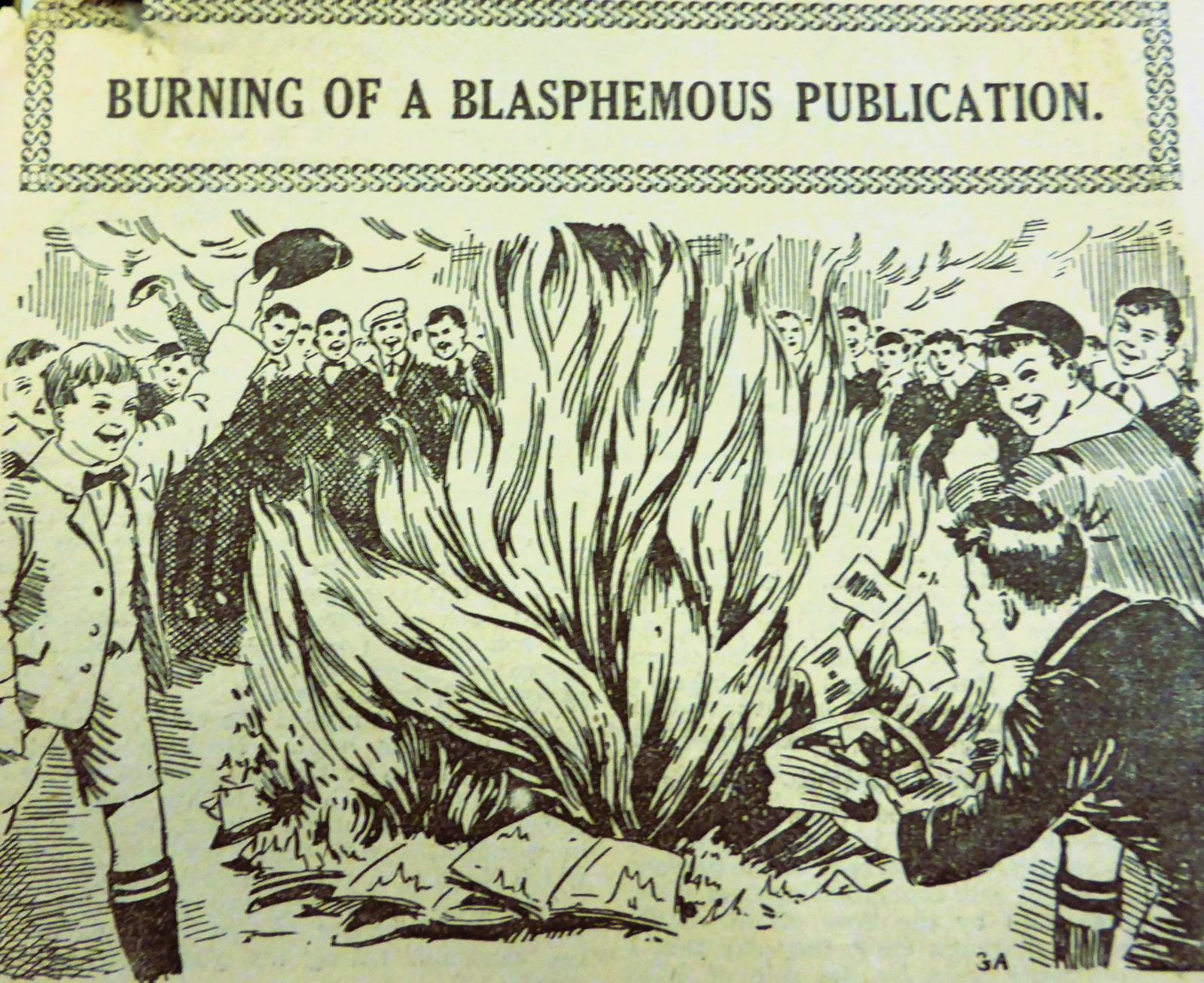
This lecture examines Irish responses to modernity during the inter-war era when many across Europe identified a crisis of civilization in response to the emergence of new technologies, new forms of mass entertainment, and the rise of statist ideologies on the right and left. It asks why, despite lacking a significant communist presence, the Irish Free State witnessed the emergence of a popular anti-communist movement in the 1930s. It considers how both Irish ‘fellow travellers’, and their conservative religious critics, drew on Russia’s ‘great experiment’ to imagine Ireland’s future. This lecture will argue that popular anti-communism should be seen as a form of culture war which enabled influential Catholic networks to suppress secular modernising influences across Irish society, politics, and popular discourse.
Fearghal McGarry is a leading historian of modern Ireland. Much of his research focuses on the Irish Revolution and early decades of Irish independence. He is the author of The Abbey Rebels of 1916: A Lost Revolution (Gill, 2015) and The Rising. Ireland. Easter 1916 (Oxford University Press, 2010). His most recent (co-edited) publications are Ireland 1922: Independence, Partition and Civil War (Royal Irish Academy, 2022) and The Irish Revolution: A Global History (New York University Press, 2022).
Fearghal is interested in public history and historical memory, and has been involved in various commemorative projects during the Decade of Centenaries. He advised on the development of the GPO Witness History museum, and worked with the Ulster Museum in developing its Modern Irish and Troubles galleries. He is currently a member of the expert advisory panel for the National Museum of Ireland’s 20th century History of Ireland galleries. He has led research projects on the relationship between film and history and, most recently, on the impact of global forces on the Irish Revolution. He was elected a member of the Royal Irish Academy in 2019.
Image Credit: Our Boys, 5 February 1925
Culture comes before history: Ethnographic notes on the politics of commemoration in Northern Ireland
Dominic Bryan, Professor of Anthropology, School of History, Anthropology, Philosophy and Politics
This lecture examines the social and political context in which commemoration takes place in Northern Ireland. It will take as its starting point the argument made by anthropologist Marshall Sahlins in Islands of History (1985) that ‘culture comes before history’, that ‘history is culturally ordered’ and ‘cultural schemes are historically ordered’. By examining the ways in which ritual commemorations play a key part in our society we can ask important questions about build social cohesion in a deeply divided society. Drawing on 30 years of ethnographic fieldwork looking at the Twelfth of July, St Patricks Day, the commemoration of the Battle of the Somme and the Easter Rising, the paper formulates an anthropological approach to the place of history in our cultural politics.
Professor Dominic Bryan is a distinguished scholar in the field of political anthropology. His research focuses on the intersection of power, public space, and identity expression through rituals and symbols. He has undertaken research work in Northern Ireland since 1991 investigating how symbols and rituals provide social cohesion and create conflict. He authored Orange Parades (Pluto Press 2000), co-authored Civic identity and public space: Belfast since 1780 (Manchester University Press 2019), as well as more than 50 academic articles and reports.
Dominic was the Director of the Institute of Irish Studies (2002-2016), co-chair of the all-party Commission on Flags, Identity, Culture and Tradition (2016-2020), and chair of Diversity Challenges (2006-2023). He was a member of the Living Memorial Museum sub-group of Healing Through Remembering and has worked with the Northern Ireland Human Rights Commission and the Community Relations Council. More recently he worked with Co-Operation Ireland, evaluating the Communities in Transition programme run by The Executive Office, and he is chair of the Working Group on Processions in Scotland.
Image credit: Professor Dominic Bryan, Apprentice Boys Parade 2014
Dynamics of Government? Temporality, fashions and states of limbo
Muiris MacCarthaigh, Professor of Politics, Head of Politics and International Relations and Public Policy, School of History, Anthropology, Philosophy and Politics. Director of the Centre for Public Policy and Administration at Queen's University Belfast.
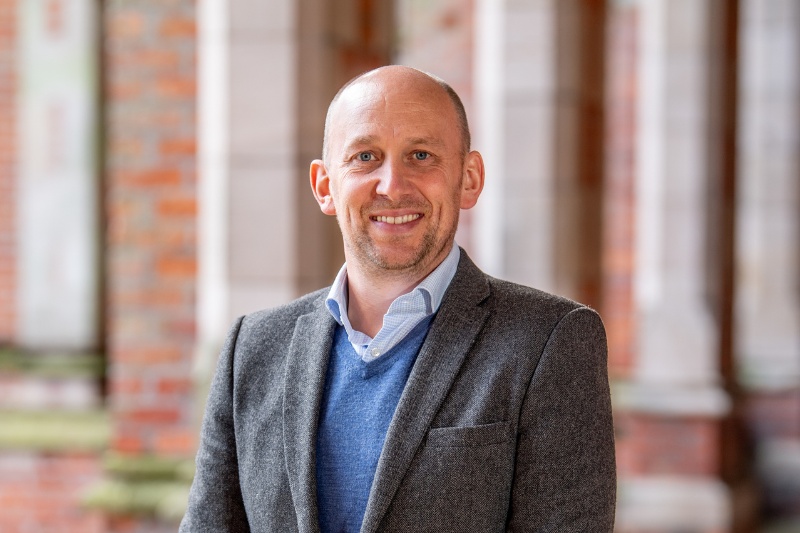
Understanding who gets to govern and how they go about governing has occupied scholars for millennia, as reflected in the allegorical frescos of good and bad government painted by Lorenzetti in Siena al in Siena almost eight centuries ago.
In more recent times, the emergence of large and complex bureaucracies to manage the translation of political choices into policy action has been a hallmark of human development. It has also created new questions about the nature of government, democracy, citizen-state relations, and management of the public sector. In response, the study of public administration and policy-making has grown exponentially in the post-war period, informed by new and distinctive theories, methods, evidence and technologies.
This lecture brings together a number of current research projects that collectively seek to understand the dynamics of contemporary government. The projects focus on the challenge of timely policy-making in multi-organisational contexts, the role of fashions and fads in the selection of reforms by governments, and the challenges posed when citizens find themselves in administrative limbo.
Muiris MacCarthaigh is Professor of Politics and Public Policy, Head of Politics and International Relations, and inaugural Director of the Centre for Public Policy and Administration at Queen’s University Belfast. He was elected to the Academy of Social Sciences in 2023.
Image credit: The Allegory of Good and Bad Government (Ambrogio Lorenzetti, 1339) [Source: Wikimedia Commons]
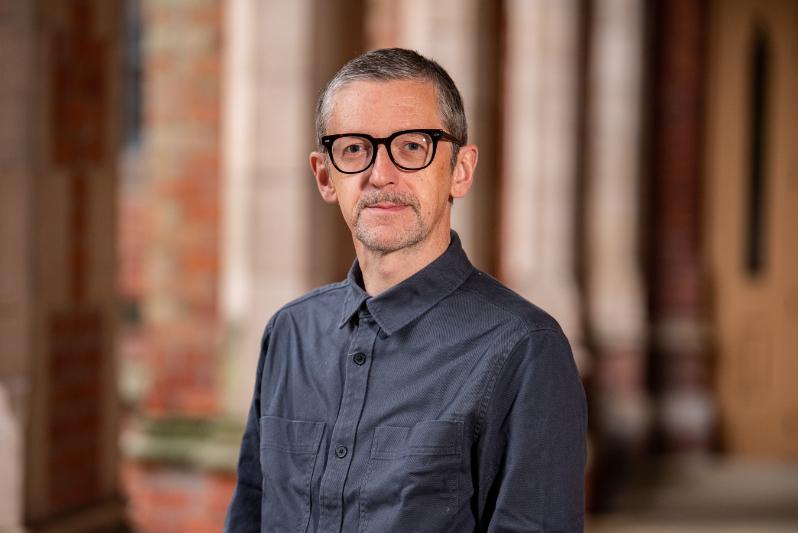
Politics for Pipsqueaks, Borders for Babies
Cathal McCall, Professor of European Politics and Borders, School of History, Anthropology, Philosophy and Politics
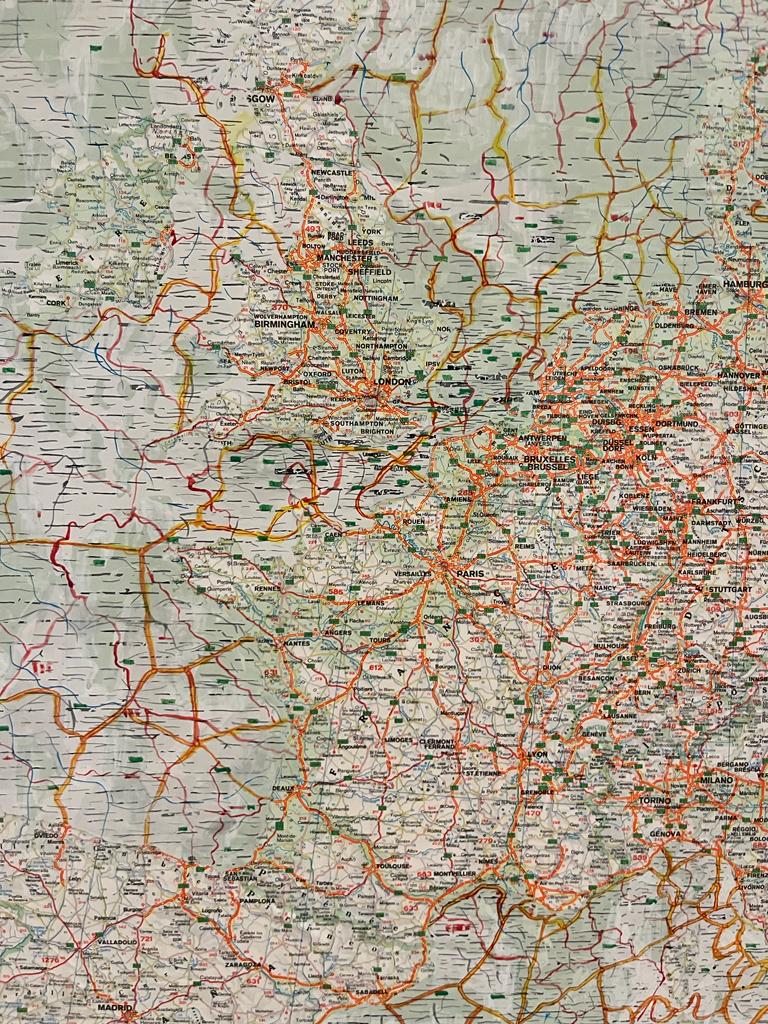
In 2002, Jonathan Safran Foer's debut novel Everything Is Illuminated, set partly in Ukraine, was published to wild critical acclaim. Two decades later, everything is discombobulated. War, the Mediterranean migration crisis, the rise of ‘illiberal democrats’, Brexit, and the COVID-19 pandemic have served to discombobulate politics, borders and identities in Europe.
This lecture is organised around 3 short stories for children - ‘Pipsqueaks for Politics, Babies for Borders’, ‘Green | White | Orange’, and ‘Bartolemeu Mulgrew, Who Knew?’. ‘In conversation’ - through the stories - with these inheritors of the near European future the lecture explores contemporary politics, borders, and identities in a discombobulated European frame.
Professor Cathal McCall is author of Identity in Northern Ireland: Communities, Politics and Change, Macmillan. 2001; The European Union and Peacebuilding: The Cross-Border Dimension, Macmillan, 2014; and Border Ireland: From Partition to Brexit, Routledge, 2021.
Image credit: 'Europe Map (Land) 1' by Louise Hopkins
Irish divorce: a history
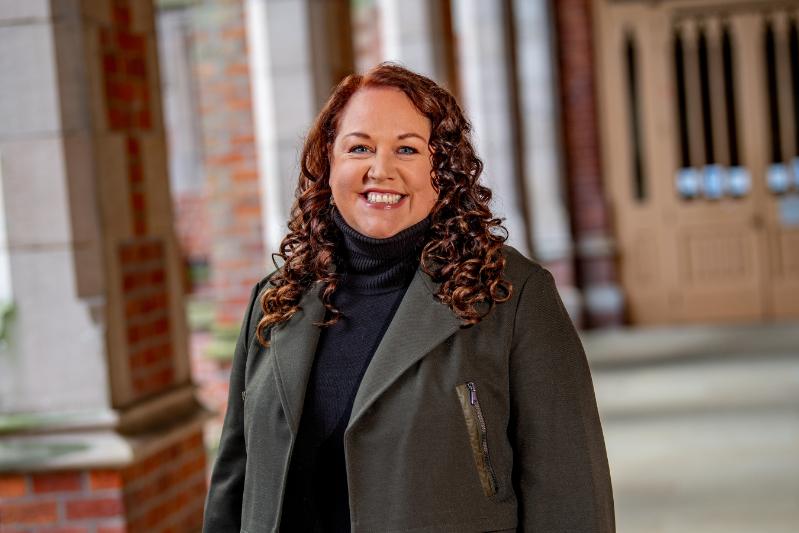
Diane Urquhart, Professor of Gender History, School of History, Anthropology, Philosophy and Politics
Professor Diane Urquhart explores Ireland's fraught relationship with divorce. Spanning the island of Ireland over three centuries, the human experience of marriage breakdown is placed centre stage to explore the impact of a highly restrictive and gendered law and its reform. The accessibility of Irish divorce as it moved from a parliamentary process in Westminster, the Irish parliament and the Northern Ireland parliament to a court-based process is considered. Adopting a socio-legal approach, the changing definitions of gendered marital roles and marital cruelty are also assessed. In charting the exceptionalism of Ireland’s divorce provision in a European and imperial framework, a governmental reluctance to reform Irish divorce law which spanned both jurisdictions and centuries is unearthed for the first time. Irish divorce law was therefore long dictated by religious strictures and moral conservatism.
Diane Urquhart is a leading historian of gender and women's history in modern Ireland. Much of her research focuses on women's political activism and gender legal history in the 19th and 20th centuries on the island of Ireland. She is the author of Women in Ulster politics, 1890-1940: a history not yet told (Irish Academic Press, 2000); The ladies of Londonderry: women and political patronage, 1800-1959 (I. B. Tauris, 2007) and Irish divorce: a history (Cambridge University Press, 2020) which won the ACIS James Donnelly, Sr. Prize for the best book in the Humanities and Social Sciences in 2021. She has co-edited numerous international edited collections and, with Prof. Lindsey Earner-Byrne, co- authored The Irish Abortion Journey, 1920-2018 (Palgrave, 2019).
A graduate of Queen's University Belfast, Diane is a former president of the Women's History Association of Ireland (WHAI), a fellow of the Royal Historical Society, an elected member of the Royal Irish Academy and a deputy editor of the Women's History Review. Diane is currently working on the first full-length study of the criminal conversation legal suit in Ireland as well as co-editing The Routledge Handbook of Irish Women’s History with Lindsey Earner-Byrne.
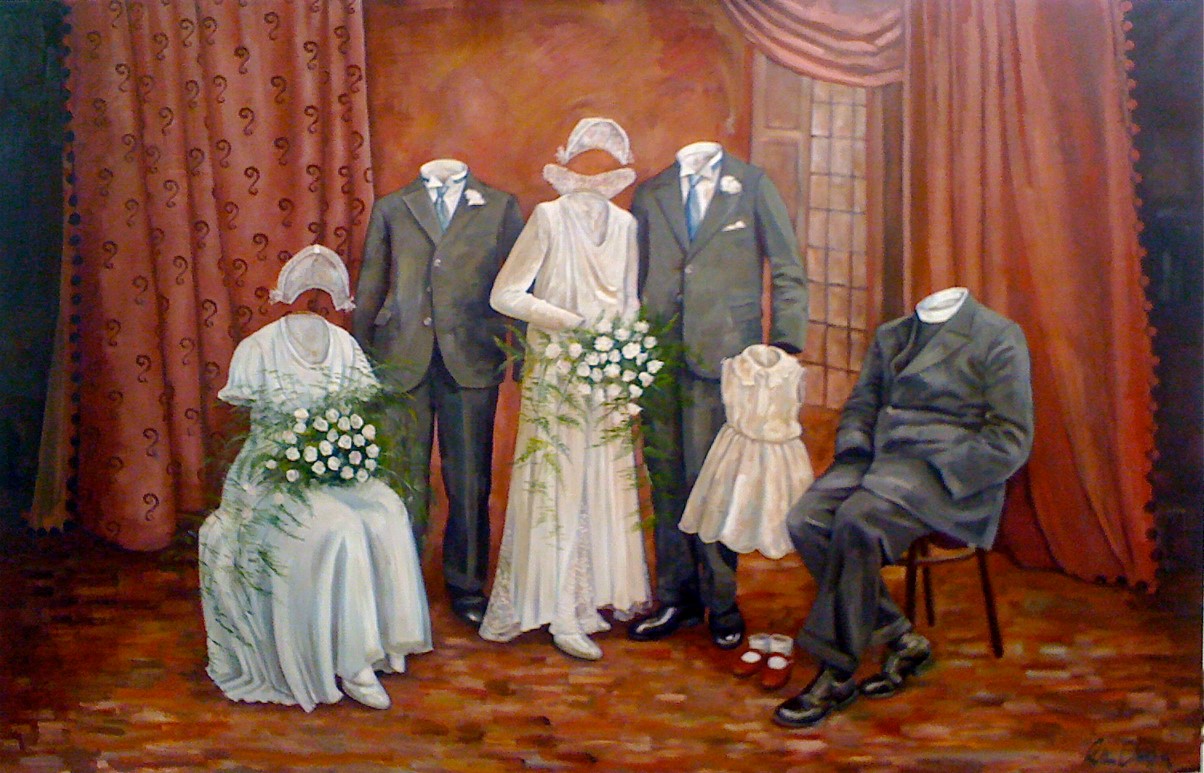
Image copyright @ritaduffystudios
Citizens’ Assemblies and Democracy in Northern Ireland
John Garry, Professor of Political Behaviour, School of History, Anthropology, Philosophy and Politics and Director of The Democracy Unit, Queen's University Belfast.
Citizens’ assemblies are made up of a random selection of ordinary citizens who are given the task of considering a public policy issue and making a decision or recommendation. This lecture examines the potentially valuable role that Citizens’ Assemblies can play in Northern Ireland. It examines how they could work and whether they would be seen by the public and by politicians as an acceptable way to make decisions. In the context of ‘Brexit’, the continued absence of a power-sharing executive, and increasing calls for a referendum on the constitutional status of Northern Ireland, this lecture considers how Citizens’ Assemblies may contribute to the quality of democratic decision making in Northern Ireland.
John Garry is Professor of Political Behaviour and director of the Democracy Unit research centre. His research focuses on elections, public opinion and political parties. He has published widely on these topics in international journals as well as a book length study - Consociation and Voting in Northern Ireland: Party Competition and Electoral Behaviour (University of Pennsylvania Press, 2016). His research also examines deliberative democracy and the role of citizens' assemblies in the policy-making process. He has served as advisor on deliberative democracy in several citizens' assemblies established by the Irish government.

Europe in an Age of Populist Politics: Confronting Nativism
Lee McGowan, Professor of Comparative European Politics and former Jean Monnet Chair in European Integration, School of History, Anthropology, Philosophy and Politics, Queen's University Belfast
Read more Read less