

LifeArc ARDT Annual Meeting
Belfast 2025
.png)
We were delighted to host the LifeArc Centre for the Acceleration of Rare Disease Trials Annual Internal Meeting 2025 at Queen’s University Belfast this December.
Over two inspiring days, consortium colleagues from across academia, healthcare, industry, funders, and patient communities, together with our Lived Experience Advisory Panel (LEAP) members, came together to focus on a shared mission: accelerating rare disease trials through collaboration, innovation, and meaningful partnership with lived experience, and to share updates and progress across the LifeArc Centre.
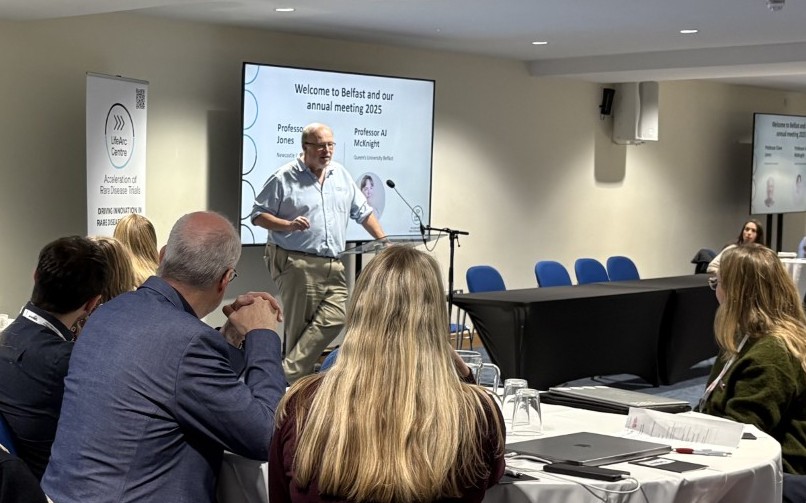
Prof. Dave Jones (Newcastle University) welcomes everyone to the Annual Internal Meeting in Belfast.
Embedding Lived Experience in Research
Day one focused on strengthening Patient and Public Involvement and Engagement (PPIE) as a central and relational element of translational rare disease research. Discussions emphasised the value of involving people with lived experience early and meaningfully, positioning them as equal partners in research, rather than participants engaged late in the process.
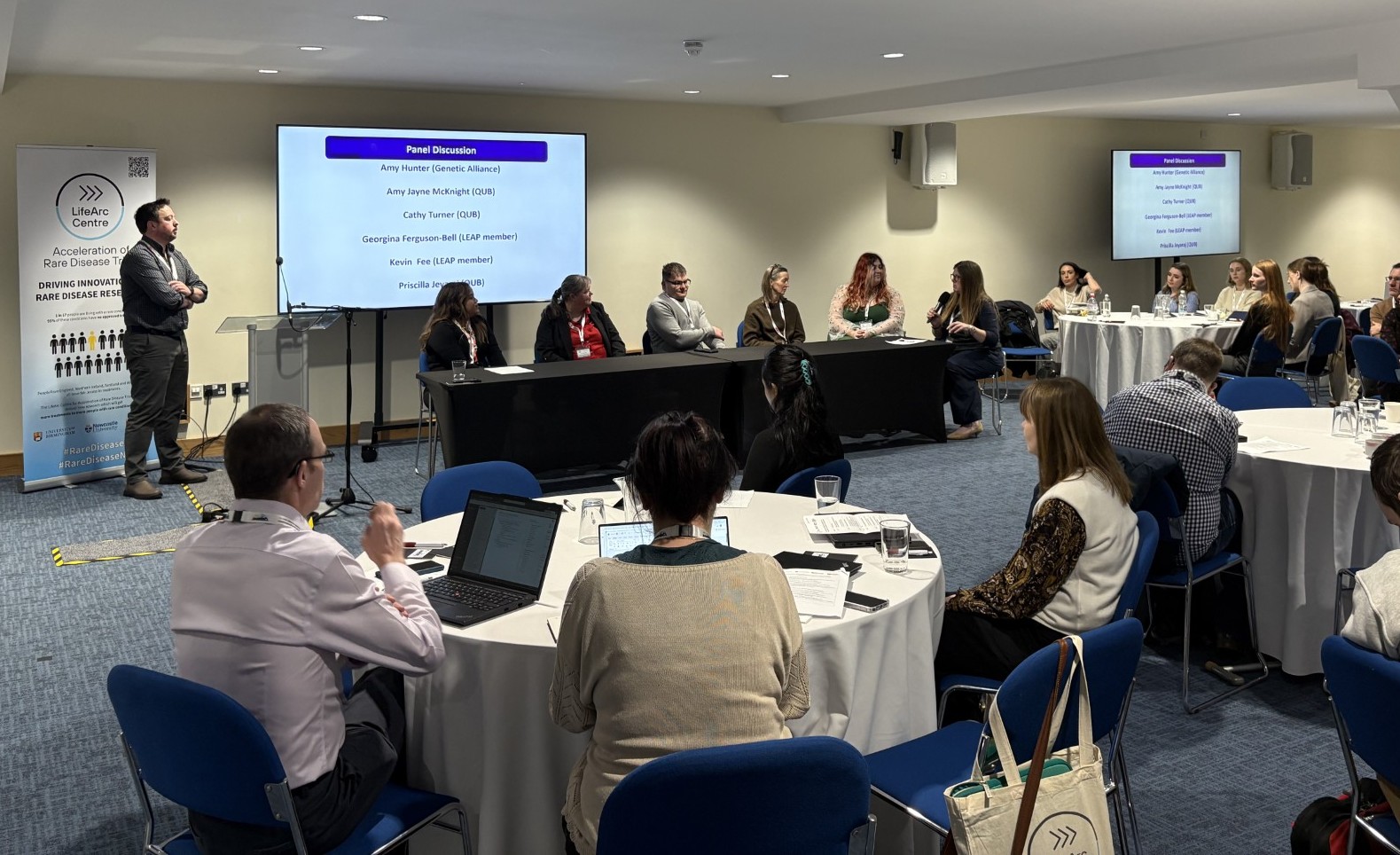 Dr Alan McMichael (HSC R&D) facilitating the PPI Panel Discussion.
LEAP members highlighted that trust is built through open and transparent communication, respectful researcher conduct and flexible, inclusive approaches that acknowledge uncertainty and individual needs. Practical enablers of sustained involvement were also explored, including accessible online engagement, clear reimbursement processes and thoughtful collaboration with existing patient communities.
We also had flash talks from our LifeArc funded PhD students who offered us an amazing insight into the research that they are involved with.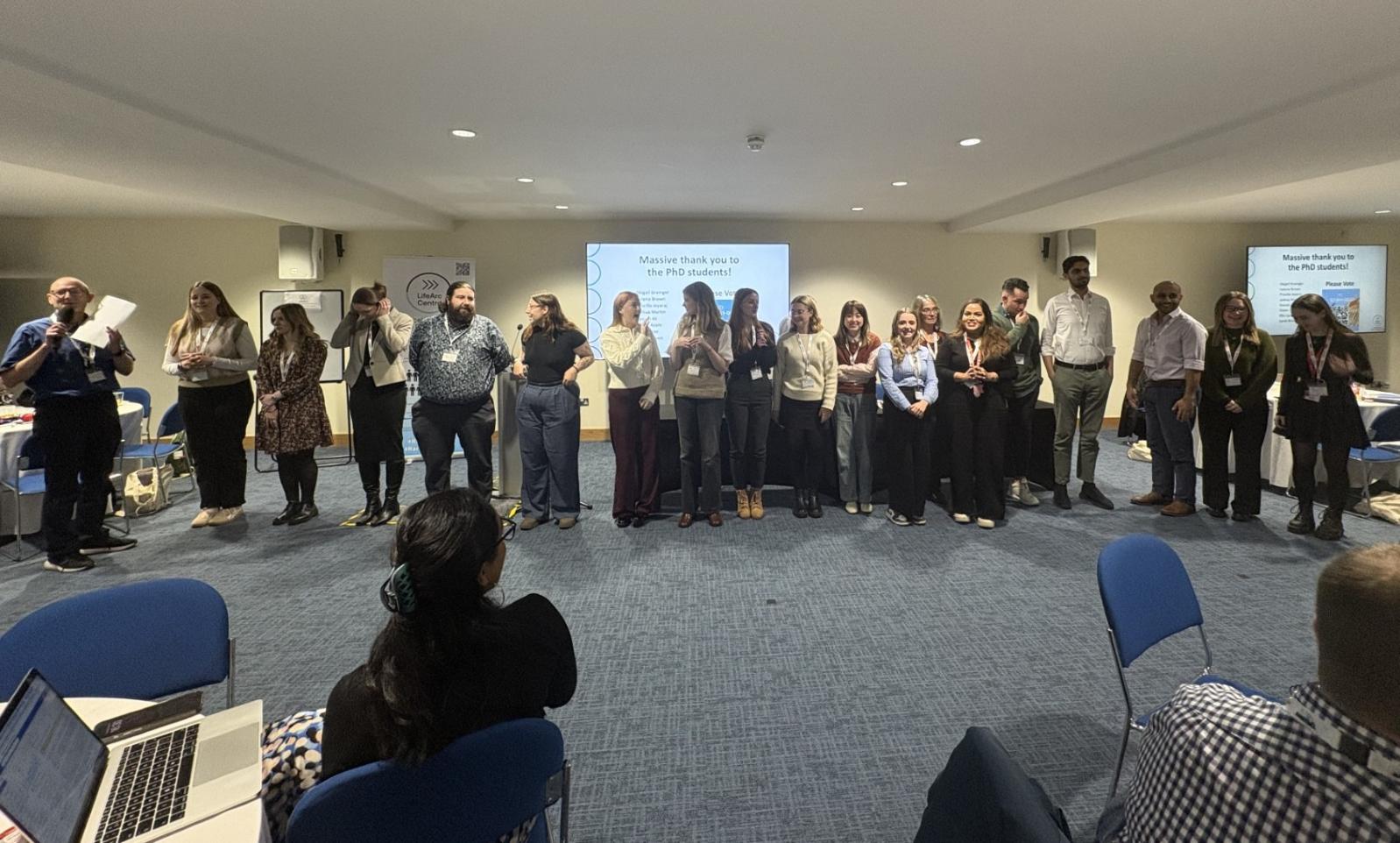
PhD students summarising their presentations.
Turning Strategy into Delivery
On day two, attention shifted to translating strategic ambition into practical trial delivery. Participants explored how trial design, data infrastructure and cross-UK collaboration can be better aligned to accelerate recruitment, delivery and real-world impact.
Key priorities included engaging potential participants earlier in the trial lifecycle, improving logistical and financial coordination for those taking part, and strengthening data alignment across the four UK nations. The importance of patient-reported outcomes, particularly quality of life measures, was reinforced, alongside the need to integrate these outcomes with health-economic considerations from the outset.
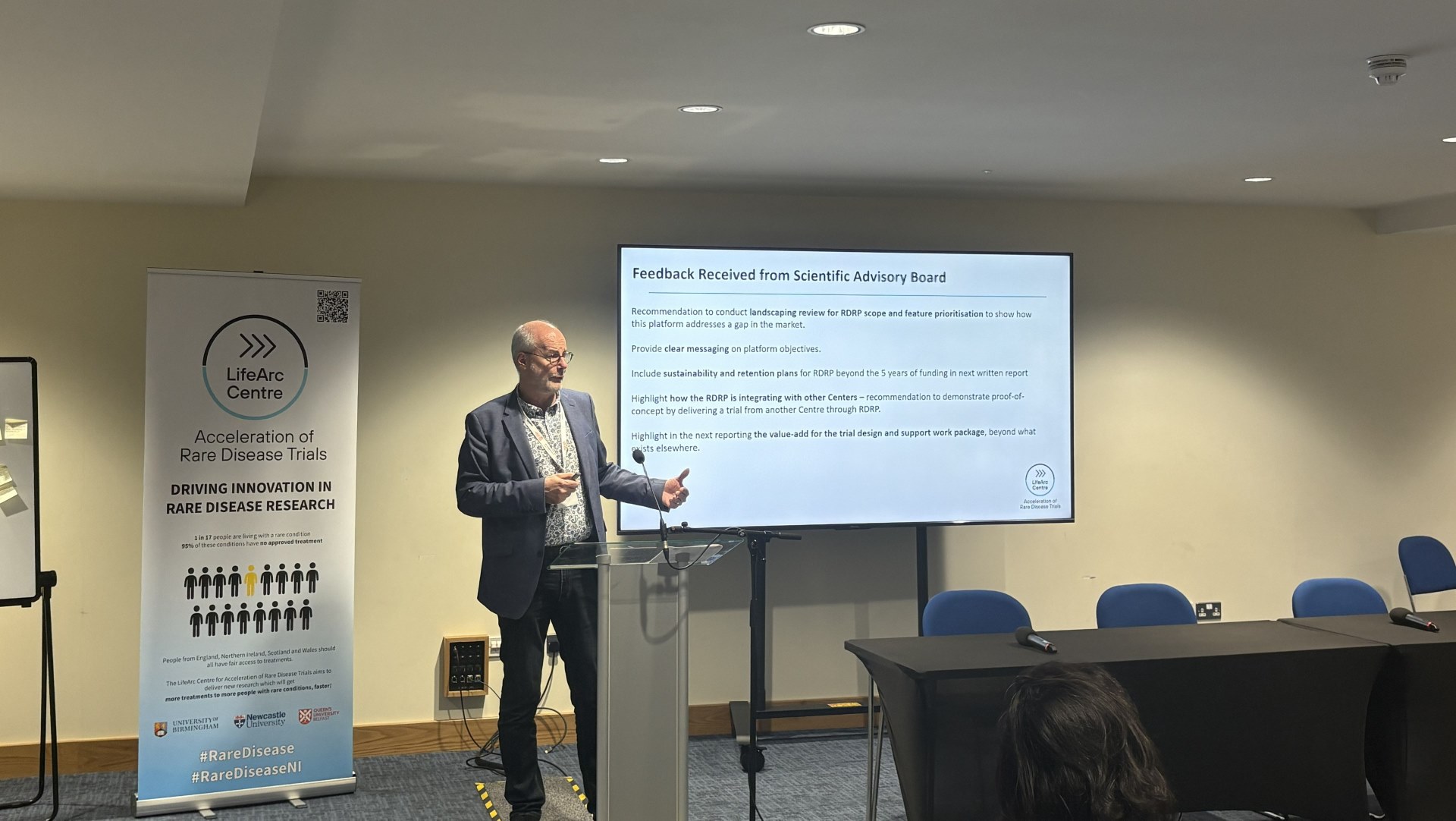
The group also discussed opportunities to build on existing data assets, develop federated registries and responsibly harness emerging AI-enabled approaches, with a strong emphasis on ethical, transparent and patient-centred data governance.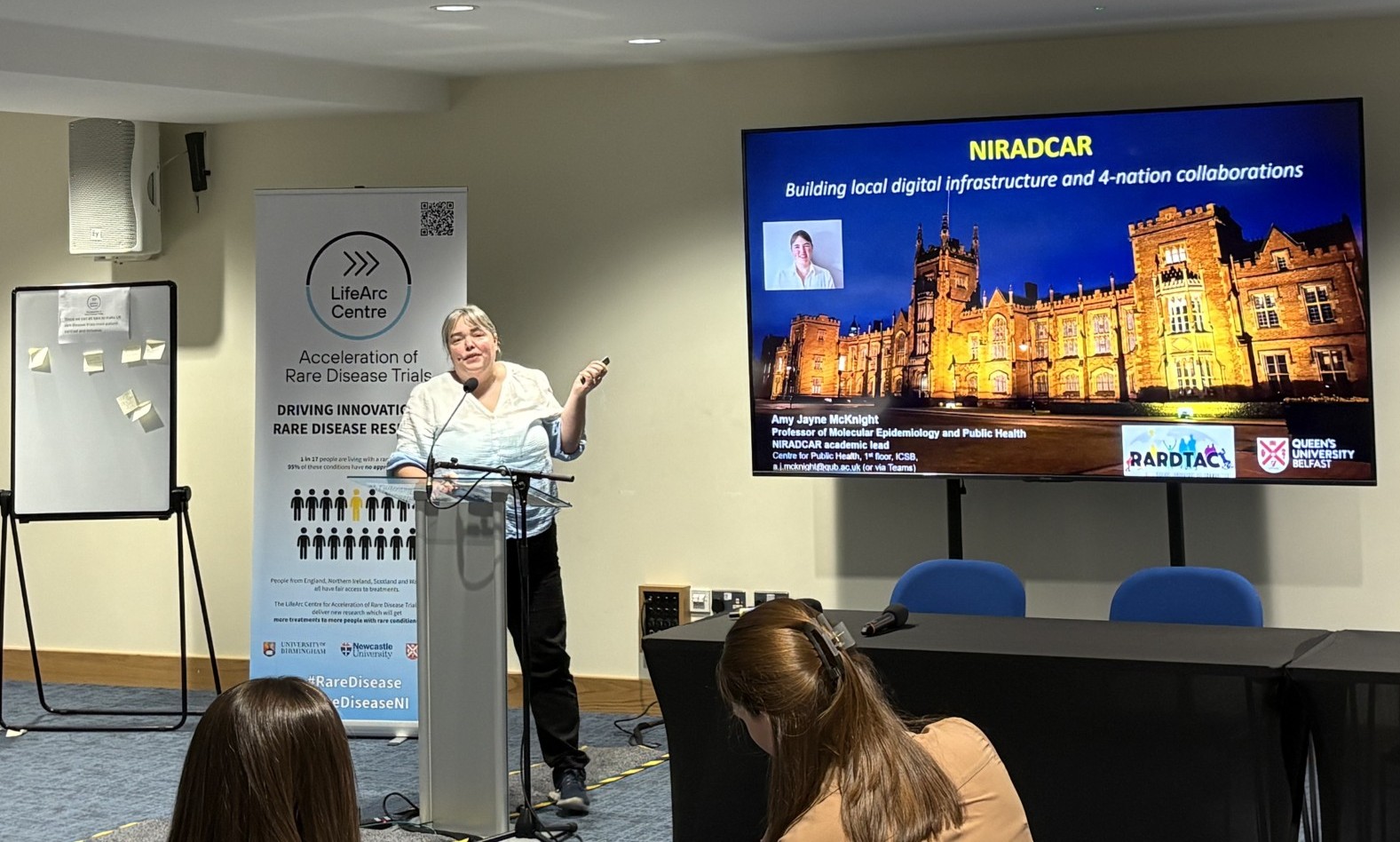 Professor AJ McKnight (QUB) giving an update on NIRADCAR.
Looking Ahead
Across both days, a clear message emerged: accelerating rare disease trials depends on coordinated systems that place patients, high-quality data and collaboration at their core. Insights from the Belfast meeting will directly inform LifeArc’s priorities for the coming year, supporting more inclusive, efficient and impactful rare disease research across the UK.
Thank you LifeArc for these opportunities!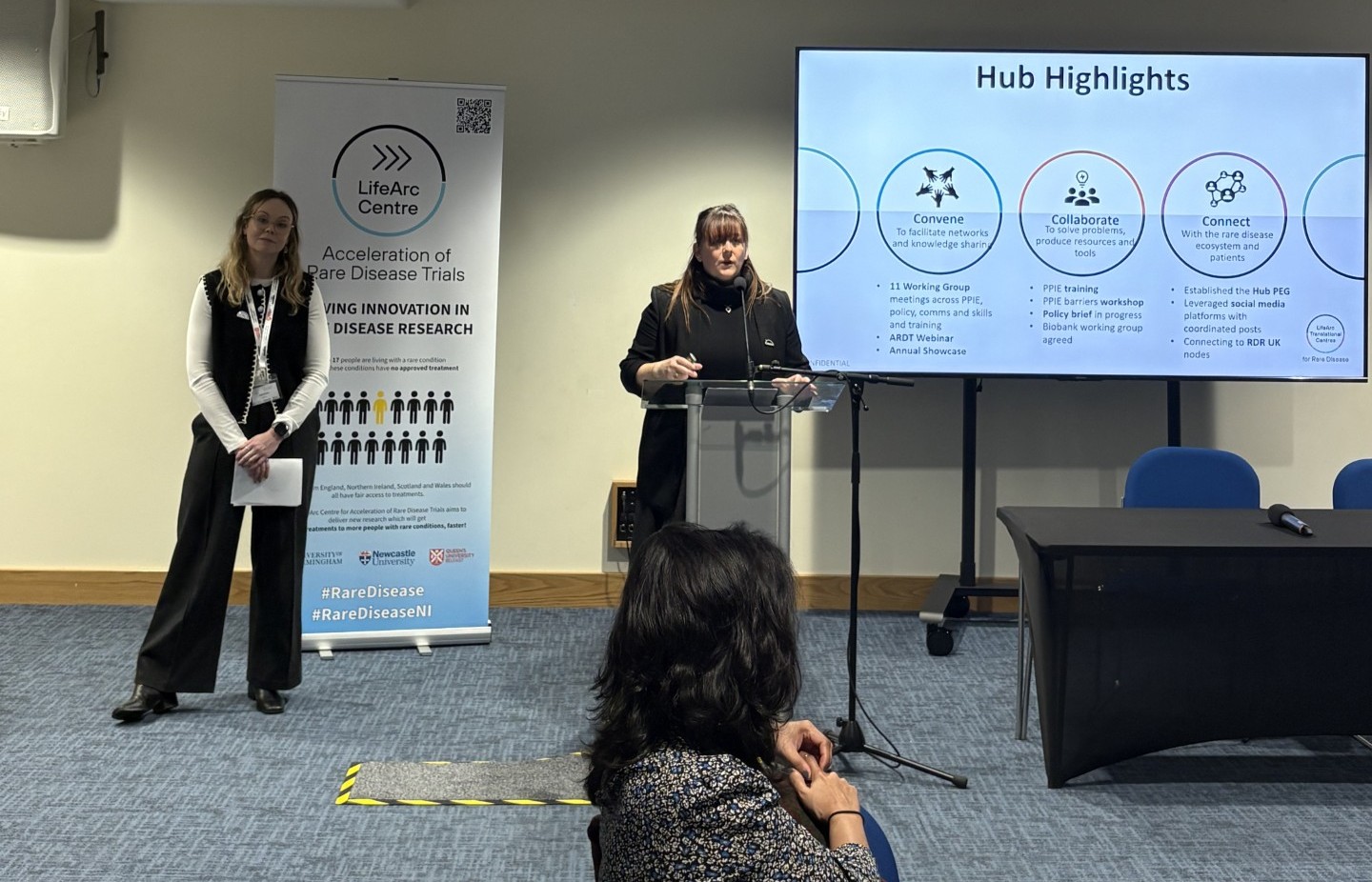
Nicola Le Grand, Alex Buffry, Magdalena Koscielniak (LifeArc Team) giving their LifeArc HQ Update.

Professor Amy Jayne McKnight
Media
Please do contact our rare disease team by email for further information.