

Co-Designing Data Products: A Community Grid Square Workshop in Belfast
This QCAPtures explores how a community data workshop brought together representatives from across Belfast to help co-design a Grid Square Data Dashboard, ensuring the tool is shaped by communities, just one potential end user of the data product.
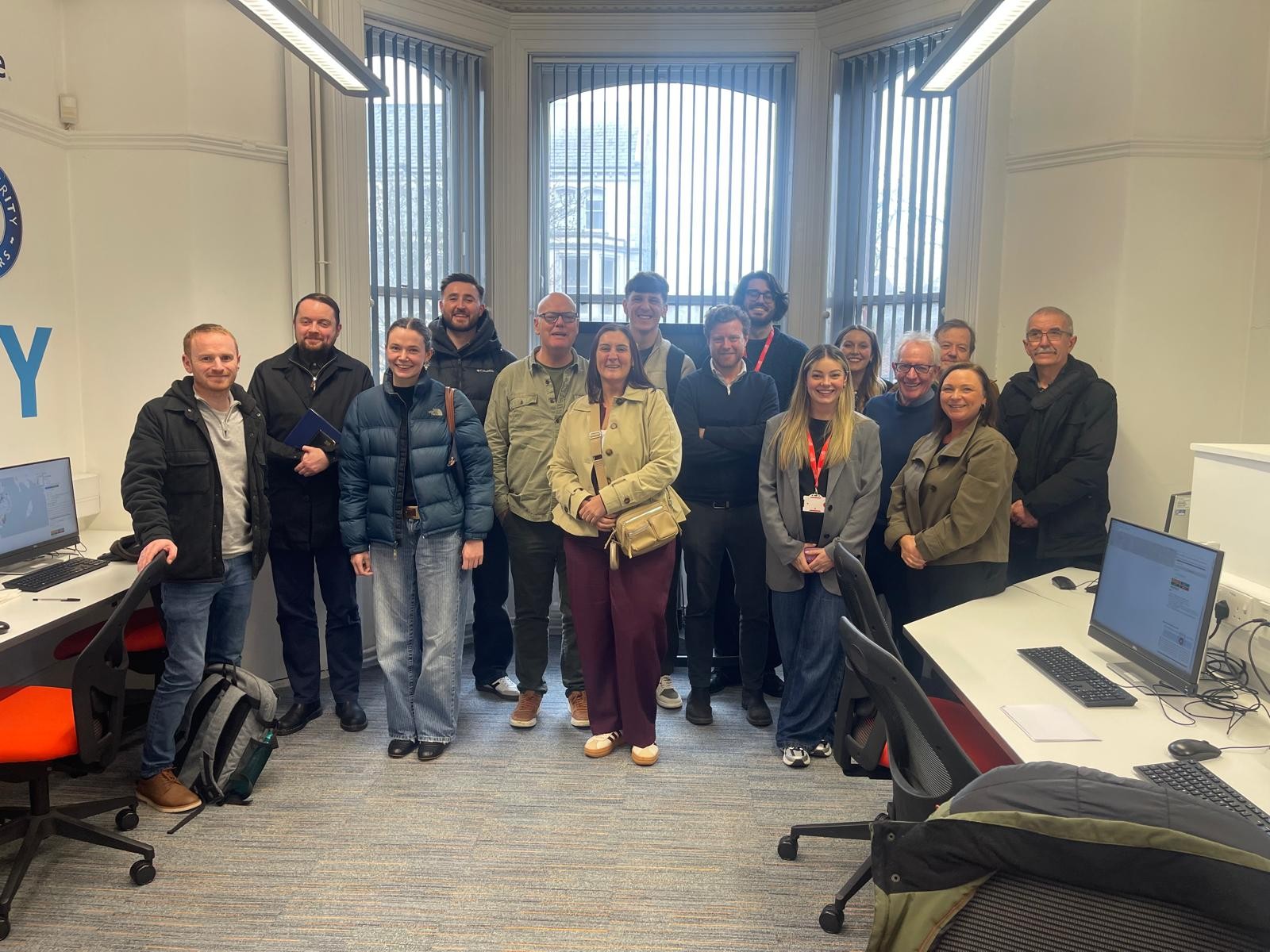
On Tuesday 24th March the QUB Grid Square Census Data Project hosted a hands-on co-design session with community partners to refine the prototype data dashboard. The workshop formed part of a sustained effort to develop a research-ready, accessible database covering Northern Ireland’s census history from 1971 to 2021, and to ensure the final product genuinely meets the needs of non-expert users, including those working in the local community sector. This project has been funded by the Economic and Social Research Council (ESRC) and is receiving further support through an ESRC Impact Acceleration Award, enabling the team to accelerate real-world impact beyond the research community.
Who Was in the Room
Community organisations from some of QCAP’s partner networks attended, bringing lived knowledge of their areas and practical experience of how data can support local planning and advocacy. Attendees included community representatives from:
- Market Development Association
- NI Alternatives
- BUILD Shankill
- Greater Shankill Partnership Board
Academic input was provided by a team from Queen’s University Belfast and the School of Built and Natural Environment: Project Principle Investigator Prof. Ian Shuttleworth, Project Co-Investigators from QCAP Dr. Andrew Grounds and Prof. Kathryn Higgins and SNBE Research Fellows Dr. Sara Ferguson, and Stephen McKeever.
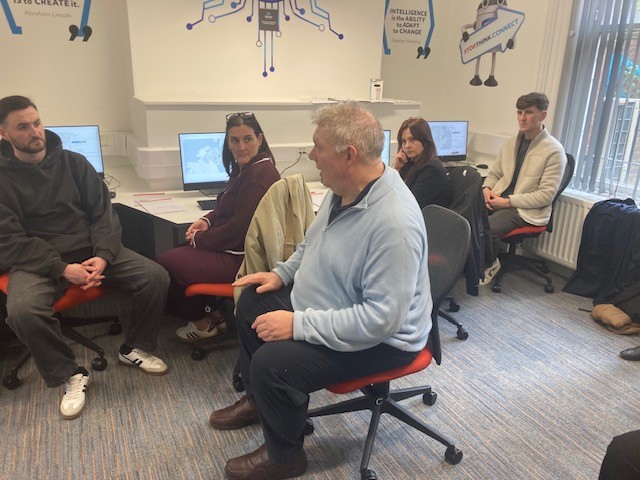
What the Session Explored
The workshop centred on the grid square data dashboard, a prototype tool that allows users to interrogate longitudinal census trends at a fine spatial resolution. Through a structured co-design session, community representatives were invited to test the dashboard directly, identify gaps, and articulate what a genuinely useful final product would look like and one that could help support their day-to-day work. The session also offered space to reflect on data work already completed in partnership with each community organisation, and to consider how access to temporal census analysis might strengthen their broader objectives, whether in funding applications, community planning exercises, or evidence-based advocacy.
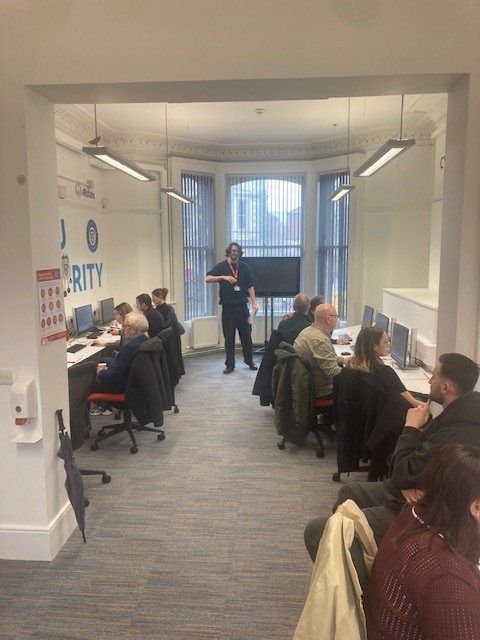
One particularly concrete example of the project’s real-world application to date is its use within the Shankill Plan to Grow, a Department for Communities (DfC) supported area-based planning exercise, where grid square data has already informed how communities understand and communicate long-term change in their areas.
Why This Matters
The Grid Square Project addresses a persistent challenge in community-facing research: the difficulty of making meaningful, long-term comparisons using census data that changes its geographies between each collection cycle. By creating a consistent, georeferenced database built from 50 years of grid square data, the project enables temporal analyses that are otherwise extremely difficult to undertake, particularly for users outside academic settings.
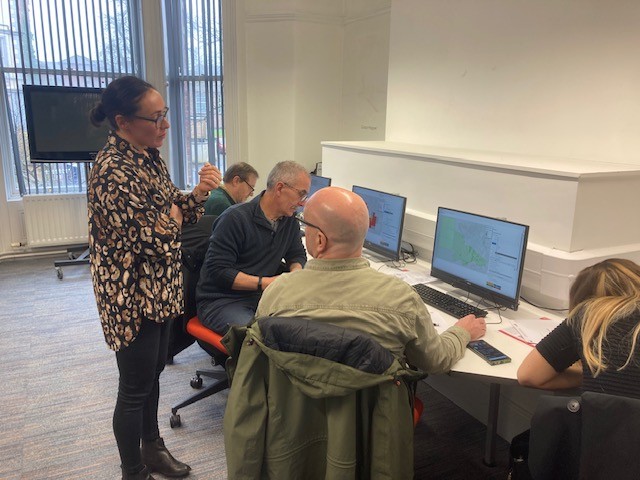
Through engagement events, including this workshop, the project team has developed a deeper understanding of the practical data needs of local organisations and translated those needs into design decisions that will shape the final grid square data dashboard and database outputs.