
Biogenic reef restoration
Rebekah Bajkó
Marine habitat restoration for future resilience: biogenic reef restoration in sea loughs under a changing climate
Protecting and restoring marine ecosystems is a key part of the toolkit of nature-based solutions available to address the climate and biodiversity crises. Healthy and biodiverse marine systems provide many different ecosystem services such as carbon sequestration, water filtration and coastal protection, making it important to maintain and regenerate these habitats. The current state of the marine environment in the UK and Ireland compared to the historical baseline is extremely degraded, leaving a largely disconnected, patchy and increasingly fragile seascape and has resulted in the loss of many associated ecosystem services.
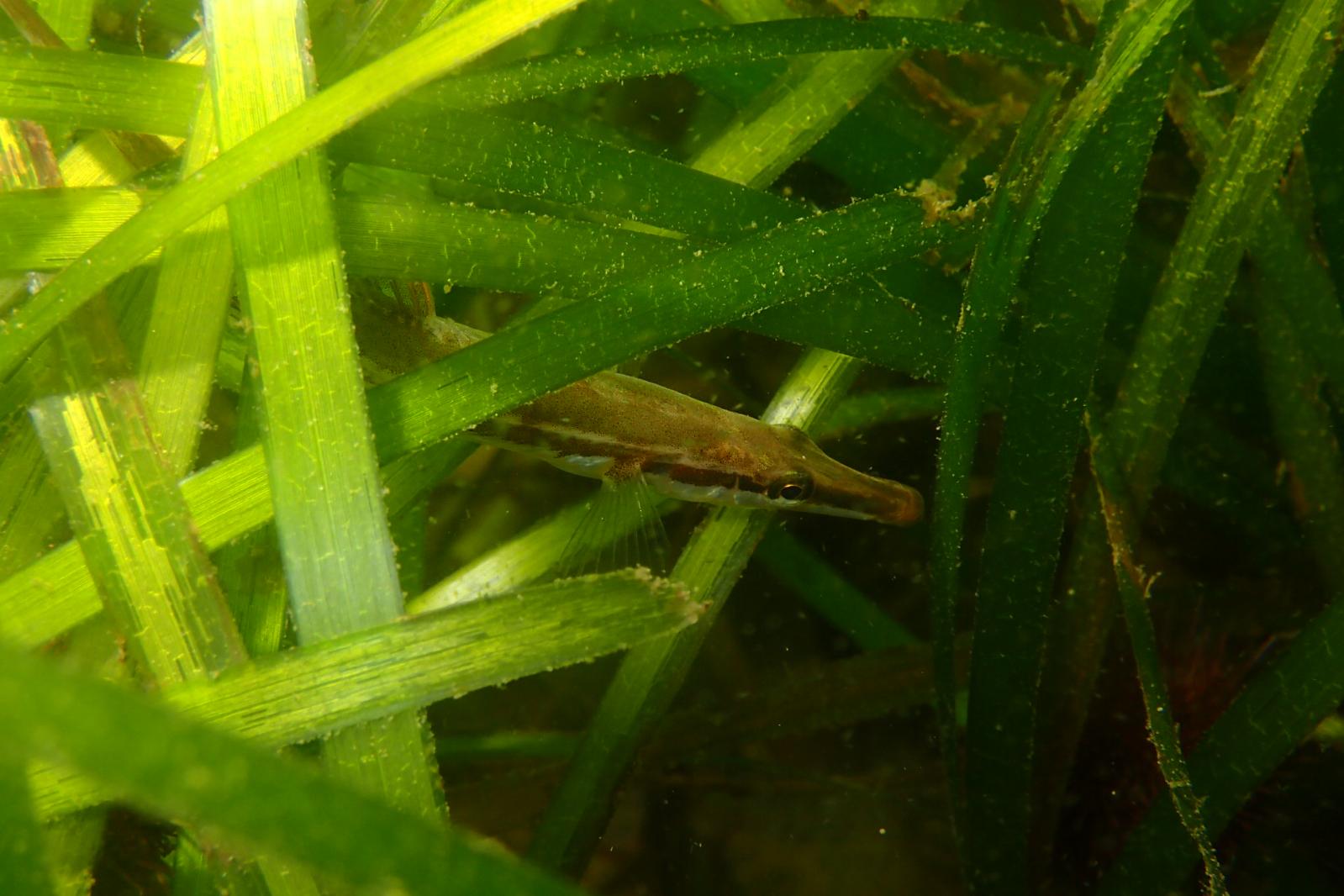
The functioning and resilience of marine habitats as an ecosystem are strongly influenced by their complexity and health. Habitat restoration is increasingly being used to improve the condition and resilience of marine systems, and it is recognised that doing this on an ecosystem (seascape) scale is key to improving the success of restoration efforts. Current restoration efforts need to be optimised and future-proofed for success which is what I will be investigating during my studentship. I will be researching how we can future-proof restoration measures in Northern Ireland with respect to a changing climate and to the ecological effects of invasive non-native species. My project will focus on biogenic habitats, particularly reef-forming shellfish and seagrass beds and the connectivity of these systems in terms of biodiversity and blue carbon.