
Shellfish Carbon Capture
Jasmijn Hofman, BSC
Mussel beds and oyster reefs are already widely recognised for their ecosystem services. Currently, they are utilised for coastal protection, biodiversity enhancement and water purification.
However, they also have the ability to trap carbon dioxide in their calcium carbonate shells, making them an under-utilised nature-based negative emissions technology. Understanding what factors affect their carbon capture potential is an important step to unlocking them as a blue carbon sink as well.
How efficiently shellfish can grow and maintain their shells is impacted by the biotic and abiotic environment. This project focuses on the effect of trophic complexity on carbon capture. While trophic structure has been seen to have an effect on vegetative blue carbon environments, the possible implications for shellfish have not been explored. Understanding how other organisms in the environment affect shellfish carbon capture allows for ecosystem management aimed at capturing carbon. Fisheries could also use this information to ensure sustainable practices.
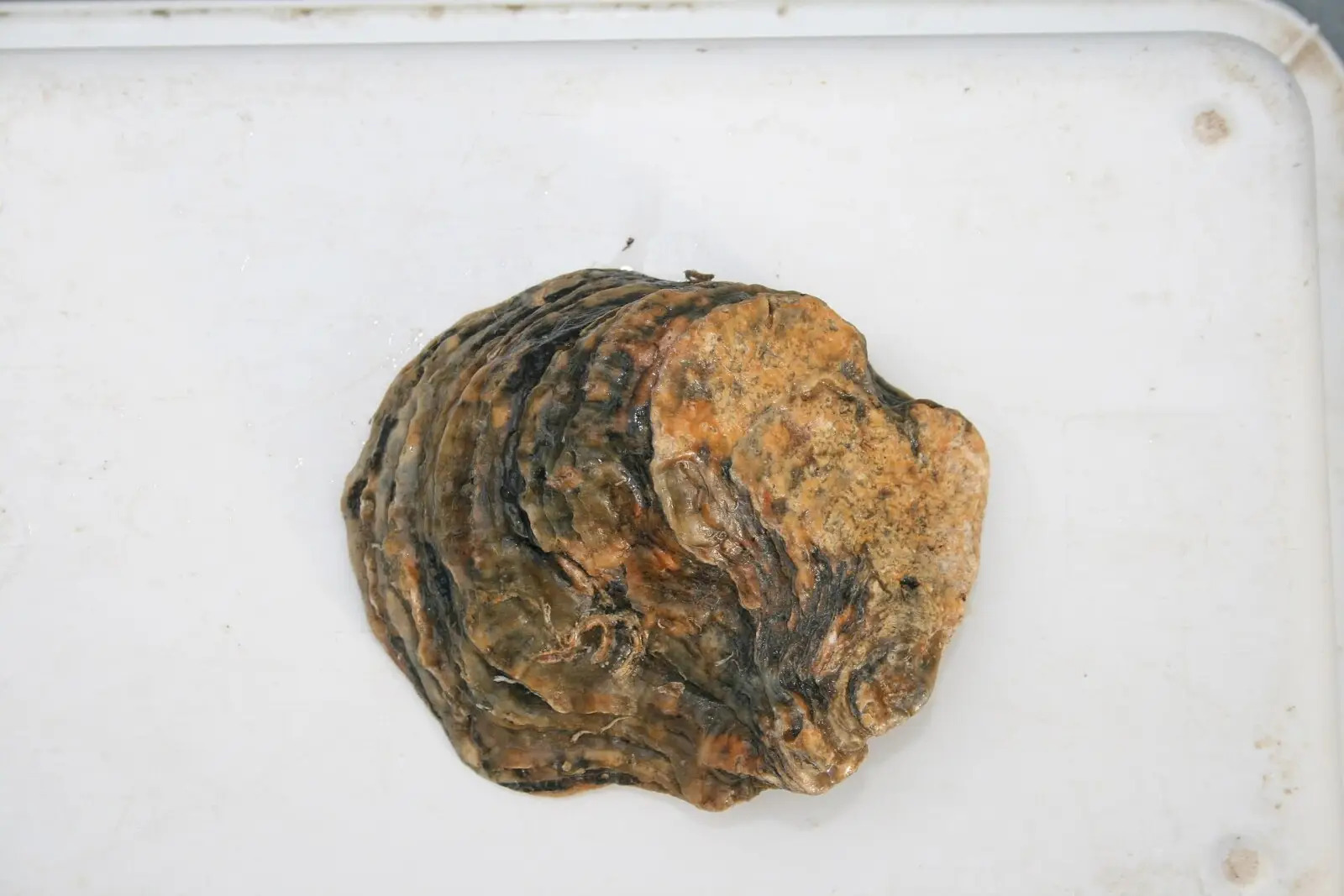
Oyster (cred: Oscar Bos)
The PhD will focus on three drivers on shellfish carbon sequestration: the effect of mussel group size (conspecifics), the effect of direct predators in the environment, and the effect of meso and apex predators in the environment. These questions will be answered through a targeted experimental approach, using mesocosm experiments to mimic complex ecosystems at the Queen’s Marine Laboratory.