
News
The latest news from the School of Biological Sciences

Researchers from Queen’s University Belfast are calling for support as they launch the first public mosquito reporting system for Northern Ireland (NI).

Queen’s University Belfast has further strengthened its global reputation in the 2026 QS World University Rankings by Subject which benchmark the academic excellence, employer reputation, and research impact of more than 6,000 institutions worldwide.

Dr Adewale Adenuga from the School of Biological Sciences has been appointed to the UK Government’s Evaluation and Trial Advice Panel (ETAP), an advisory group supporting the design and delivery of robust policy evaluations across government.

A team of researchers from Queen’s University Belfast have introduced a new tool that can measure the invisible, systemic changes to ecosystems caused by biological invasions.
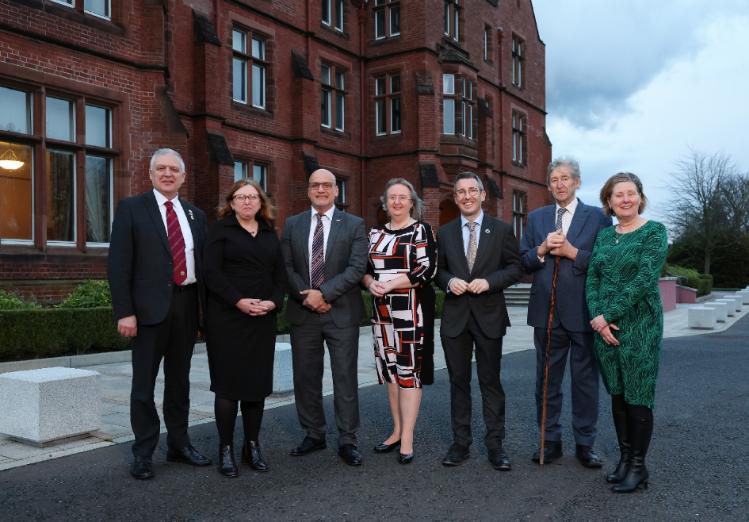
The 2026 George Scott Robertson Memorial Lecture held in Riddel Hall recently was delivered by Ash Amirahmadi, CEO of Sofina Foods Europe
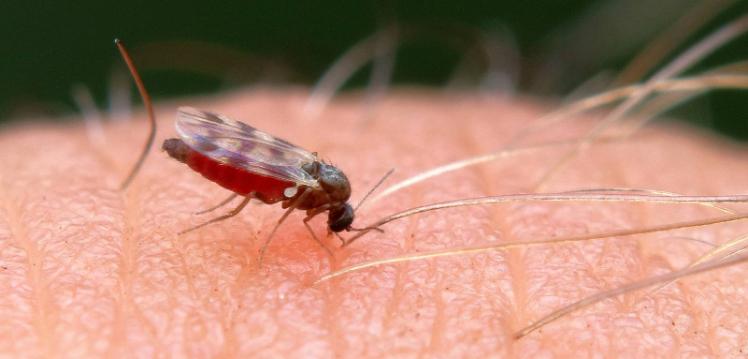
New research led by Queen’s University Belfast reveals that biting midges, the insects responsible for transmitting bluetongue virus, can survive colder temperatures than previously thought, having implications for the overwintering of the virus.

Dr Rachel Wheatley from the School of Biological Sciences has been awarded a prestigious UKRI Future Leaders Fellowship (FLF) to investigate how microbial interactions drive antibiotic resistance, a major global health challenge.
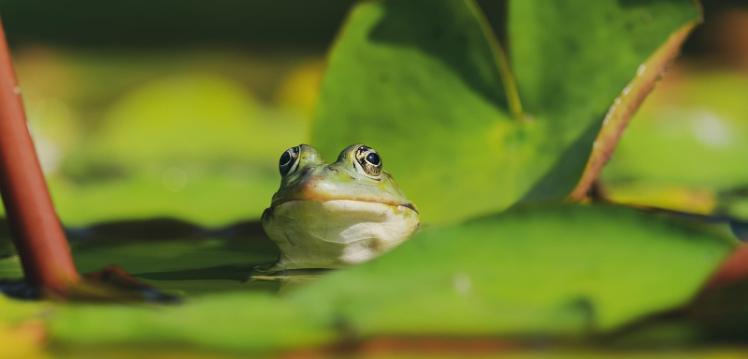
A new, global study led by Queen’s University Belfast reveals that tropical amphibians have evolved resistance to the most lethal wildlife pathogen recorded to date.
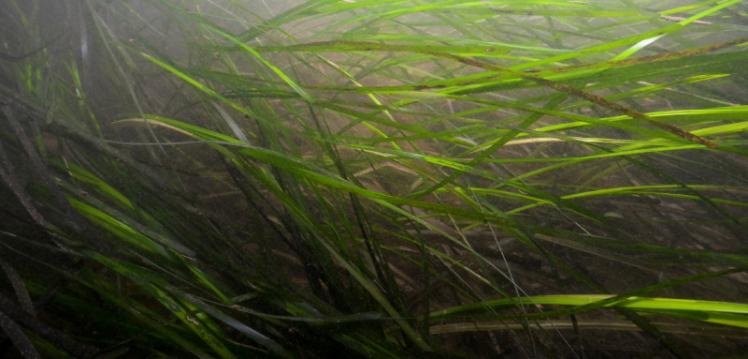
A new seagrass meadow has been discovered at Strangford Lough by a PhD student from the School of Biological Sciences.
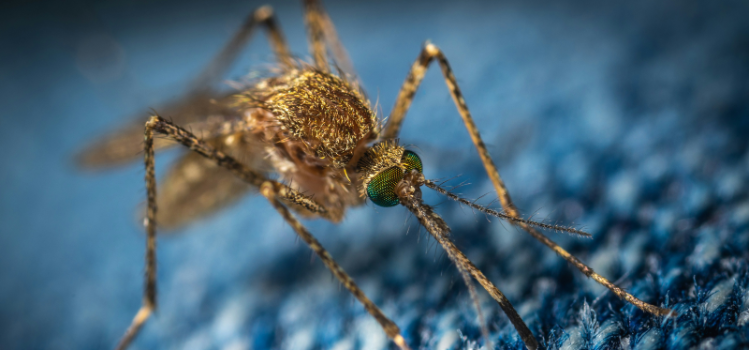
Dr Ross Cuthbert from the School of Biological Sciences has been awarded over £1 million from the Biotechnology and Biological Sciences Research Council to lead a major new project on mosquitoes, their viruses, and disease risks in Northern Ireland.
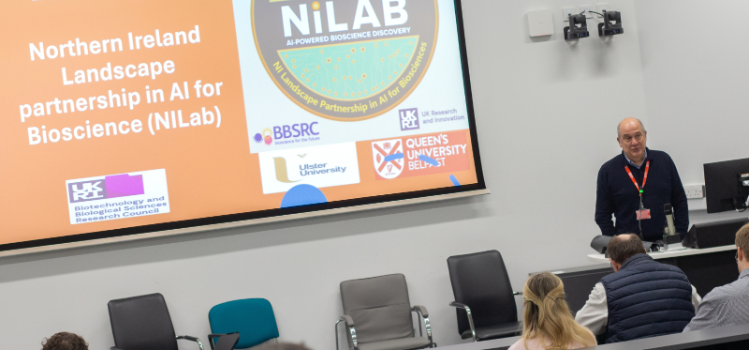
The school’s December showcase celebrated collaborative PhD research, bringing together students and staff to highlight the diversity, quality and impact of Doctoral Training Entity programmes (DTEs).
Research led by Dr Daniel Pincheira-Donoso from the School of Biological Sciences at Queen’s University Belfast has launched at the main 2026-2027 exhibition at the National Museum of Natural History of Chile.
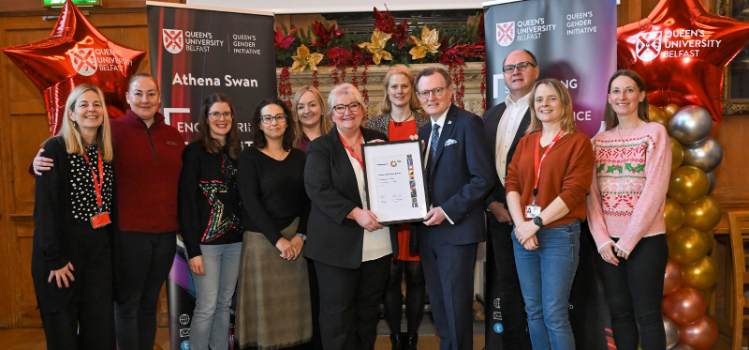
The School of Biological Sciences celebrated the renewal of its Athena Swan Gold Award for the fourth consecutive time, marking over a decade of sustained commitment to gender equality and inclusive culture.
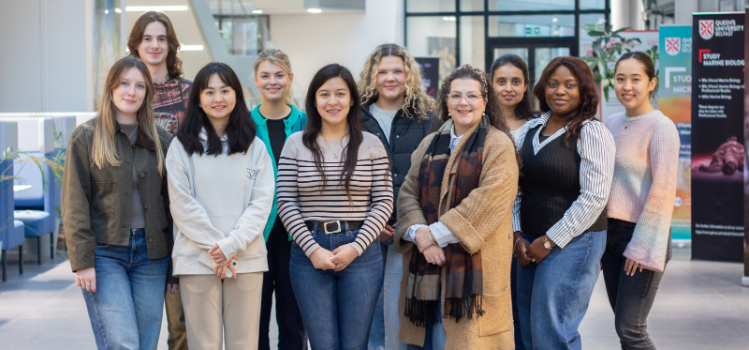
Students from the School of Biological Sciences have been awarded £2000 through Queen’s Green Fund to support their student-led sustainability symposium designed to reduce waste, build community, and promote sustainable habits across Queen’s.
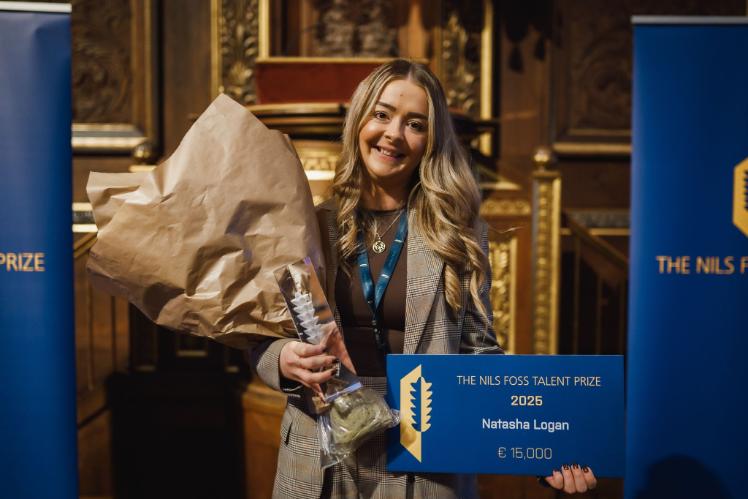
At a recent ceremony hosted in Copenhagen, Dr Natasha Logan from Queen’s University Belfast was honoured with this year’s Nils Foss Talent Prize.
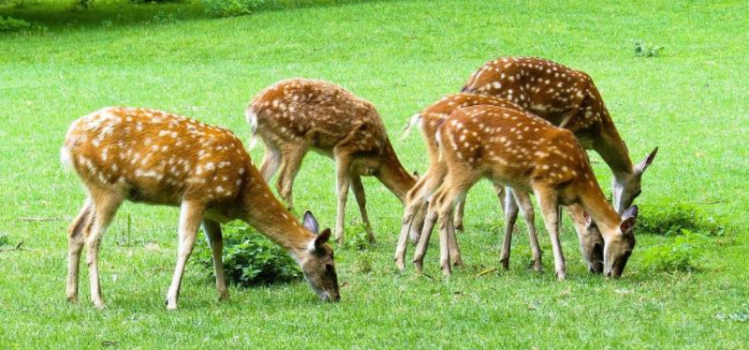
A study led by Queen’s University Belfast reveals that human engagement with young wildlife is posing a significant threat to their willingness to play.
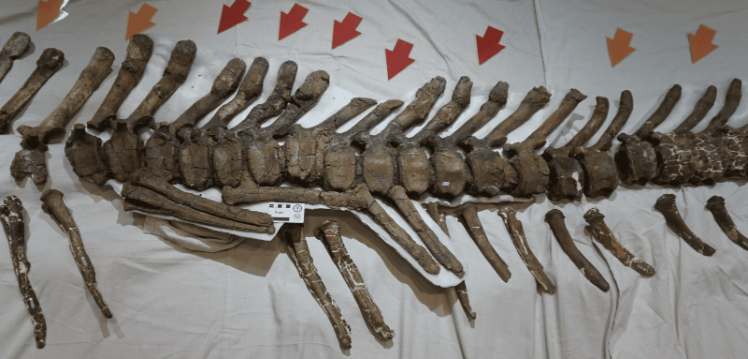
Traumatic bone injuries in the tails of so-called duckbilled dinosaurs have led scientists to a major discovery – they believe they can now identify the bones as female.
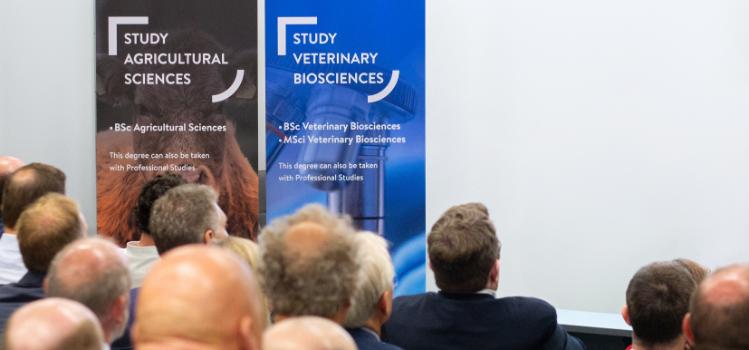
The School of Biological Sciences and the Institute for Global Food Security at Queen’s University Belfast are launching two new degree programmes, BSc (Hons) Veterinary Biosciences, and BSc (Hons) in Agricultural Sciences.

Queen’s academic, Dr Simon Cameron, has been appointed the new Academic in Residence by the National Measurement Laboratory (NML) at LGC for the NML’s Centre for Excellence in Agriculture and Food Integrity at the University.

Queen’s Marine Laboratory (QML) in Portaferry celebrates 80 years of ground-breaking marine science, education, and innovation on the shores of Strangford Lough.
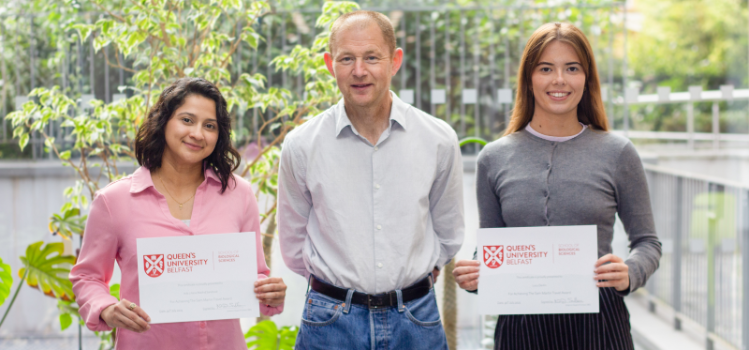
The School is proud to announce the inaugural recipients of the Sam Martin Travel Award, a newly established travel bursary to support PhD students pursuing international opportunities that enrich their research and professional development.
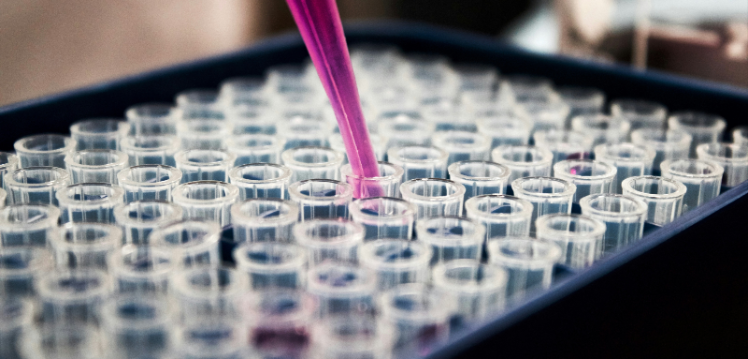
A research team from Queen’s University Belfast has received funding to lead a new UK network that will aim to reduce helminth parasite diseases, also known as worm infections, in the UK and worldwide.
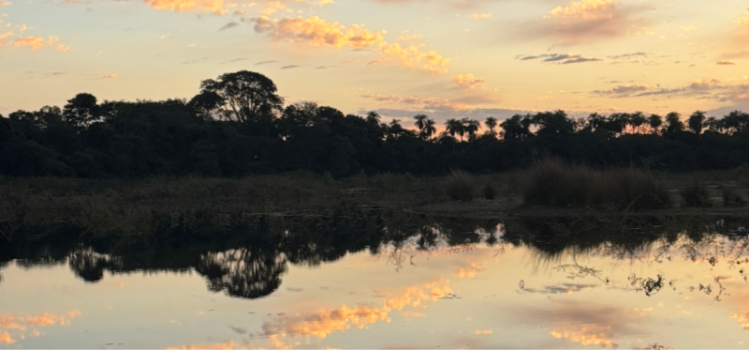
Thanks to the MacQuitty Scholarship, MSc Ecological Management and Conservation Biology student, Melissa Morrisson completed a 13-week placement with Para la Tierra, Paraguay.
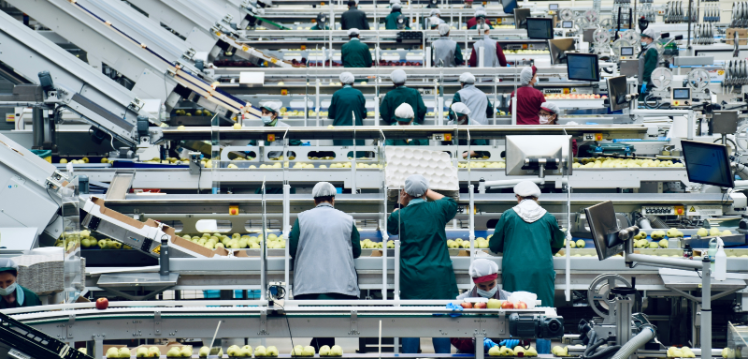
Queen's University Belfast will work with the Food Safety Research Network (FSRN) to tackle the UK’s most pressing foodborne risks, by connecting science with those who feed the nation.
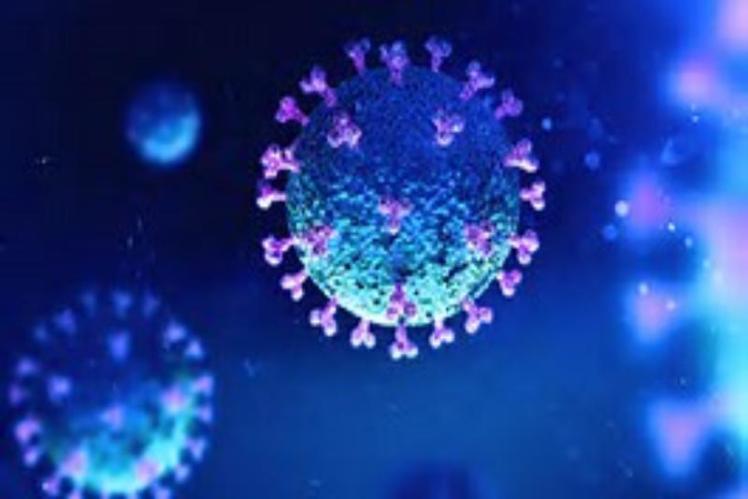
A new large-scale study led by researchers from Queen’s University has shown that combined wastewater testing and testing of individuals is the most effective way to track SARS-CoV-2, the virus that causes COVID-19.

The School of Biological Sciences is thrilled to once again be recognised for its sustained commitment to gender equality, receiving a fourth consecutive Athena Swan Gold Award from Advance HE.

The School of Biological Sciences and Institute for Global Food Security was proud to host Graduates and guests as they celebrated their wonderful achievements.
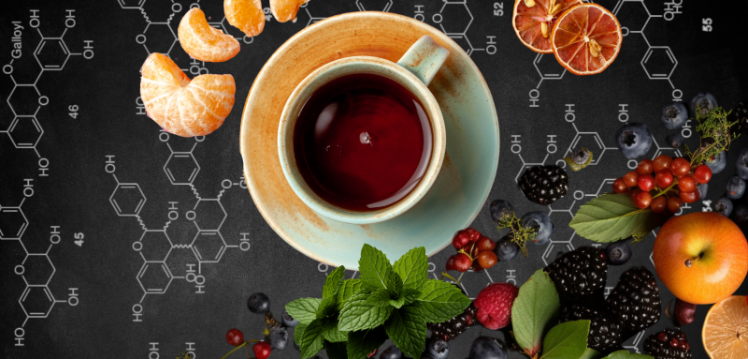
New research has found that those who consume a diverse range of foods rich in flavonoids, such as tea, berries, dark chocolate, and apples, could lower their risk of developing serious health conditions and have the potential to live longer.
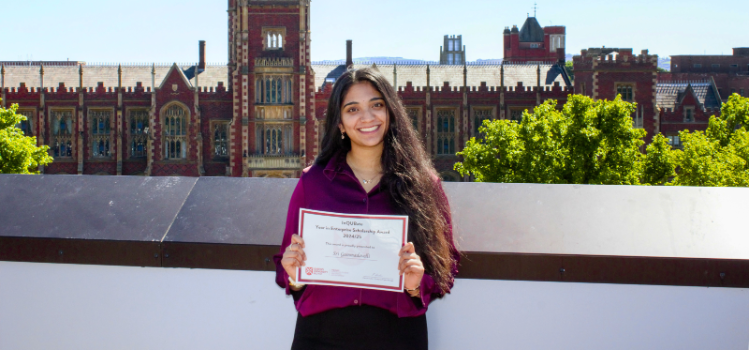
Biochemistry student Vidhya is one of the first to be granted this scholarship, which will go towards supporting her placement year spent developing her business 'Veda Beauty and Body.'
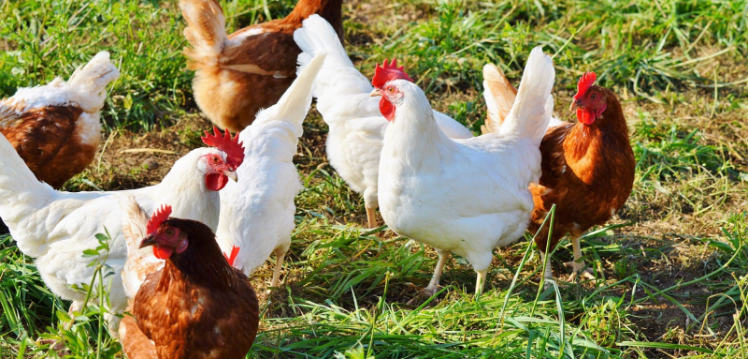
A first-of-its-kind study led by Queen’s University Belfast reveals contaminated crops on farms could be costing poultry organisations over £150,000 in losses annually.
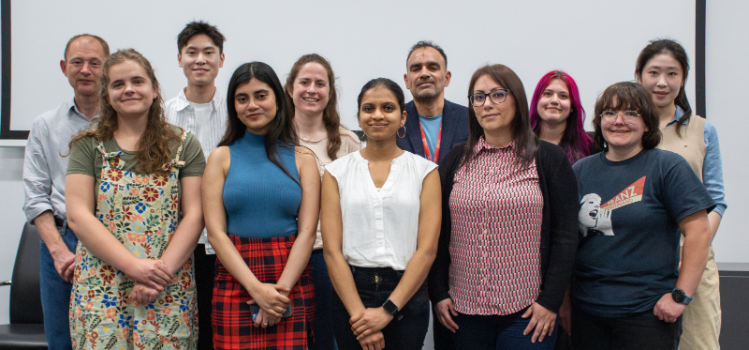
On 13 May, 10 PhD students from across the School gathered to showcase their research in the School’s annual 3 Minute Thesis Competition.

Farah Hamdan’s latest fieldwork explores how mobula rays can be better protected through science, policy, and local collaboration.
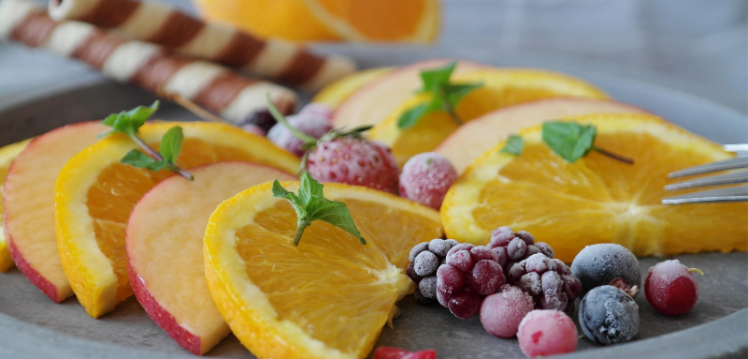
Higher intakes of black tea, berries, citrus fruits and apples could help to promote healthy ageing, new research has found.
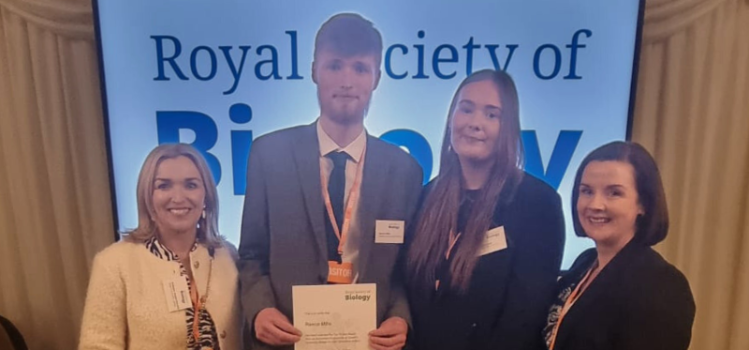
The School of Biological Sciences is proud to announce that twenty one of our programmes have once again received accreditation from the Royal Society of Biology (RSB).

Zoology student Mia Constantinescu claimed two top awards at this year’s National Student Media Awards, which celebrate outstanding student journalism across Ireland.

The event, which was supported by the Gibson Trust, is a cornerstone in the Northern Ireland agri-food calendar.
-750x454.png)
A first-of-its-kind study, led by Queen’s University Belfast, exposes the potentially harmful materials found in gum that are going unnoticed.
Warm temperatures and erratic rainfall due to climate change are taking a toll on Northern Ireland’s health and farming industry, a new study reveals.