Timeline
A TIMELINE OF THE BELFAST MEDICAL SCHOOL
Over the next year, we’ll tell the story of Belfast Medical School through the voices of staff, students, and patients. We’ll celebrate a proud past rooted in the dissenting tradition of “Inst,” and a vibrant present as part of the School of Medicine, Dentistry and Biomedical Sciences at Queen’s University Belfast.
- 1800's - 1900's
- Early Years
-
1835
The Early Years of the Belfast Medical School
The Belfast Medical School was located on what is now the site of RBAI school in the centre of Belfast, prior to integrating with Queen’s in 1847.
-
1876
A Student’s Voice Across Time
A historic letter from a medical student to their mother reveals the challenges, expectations, and lived experience of training in medicine.
-
1893
Queen’s First Female Medical Graduate
Celebrating Dr Elizabeth Bell, who graduated in 1893, and exploring our commitment to gender equity today
- 1900's - 2000's
- Turn of the Century
-
1901
Drug Development Then and Now
From Whitla’s formulary published in 1901, to the present day, QUB has been working to find and develop the drugs we need for modern medical care.
-
1910
Sir William Whitla’s Legacy
From leadership in the BMA to gifts that shaped the University, Sir William Whitla’s influence continues to echo through WMB.

-
1932
Dame Ingrid Allen: a pioneer in neuropathology
Examining the slides and preserved samples that illustrate Prof. Ingrid Allen’s influential contributions to neuropathology.
-
1959
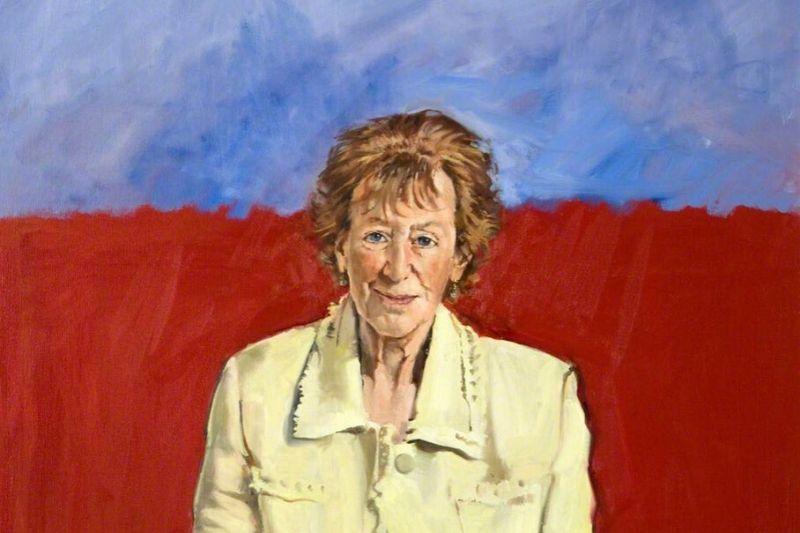
Pioneering Renal Dialysis in Northern Ireland
Prof. Molly McGeown’s groundbreaking work establishing NI’s first renal dialysis unit changed the trajectory of kidney care.
-
1962
Innovations in Rare-disease research
Belfast’s key role in advancing Guthrie cards, homocysteine testing, and research into ‘rare diseases’ – which actually aren’t as rare as we think!
-
1965
The Development of the Portable Defibrillator
How Queen’s researchers advanced early defibrillator technology, transforming emergency medicine locally and globally.

-
1968
Medicine and Surgery During the Troubles
Stories of clinicians like Roy Spence who navigated unprecedented surgical challenges and shaped trauma care in Northern Ireland.
-
1970's
Establishing the Living Kidney Donation Programme
Northern Ireland’s pioneering work in developing a life-changing living donor transplant scheme.
-
1970's
Teaching Communication and Clinical Skills
One-way mirrors, early clinical teaching spaces, and historical tools reveal how medical training evolved
-
1984
Belfast and Global Health
How our students, staff and research show our commitment to reduce inequity and shape the world for the better
-
1988
An Eye to the Future
From the early days of ophthalmology teaching to ground-breaking use of VR technology today
-
1997
The Family Attachment – Early Clinical Contact for Students
We value our links to the local community. Just 6 weeks into the course our students meet patients in their homes. The impact of these encounters lasts a lifetime.
-
Erskine Tree
Medical student teaching methods have come a long way from Hippocrates to the InterSim ‘Cave’. How does the Erskine Tree symbolize our tradition of high-quality teaching?
- Future Medicine
-
2023
Accelerating Cancer Research
Cancer research is a priority for our School. How will the excellent research we do here impact the lives of people in our community?
-
Dressed for the Part
A medical student reflects on the meaning and history of everyday items such as scrubs, the stethoscope, and the culture of clinical identity.
-
Our Beating Heart – Beating Cardiac Myocytes
Prof Andriana Margariti will explain how pluripotent stem cells can be engineered to produce a “mini heart” made of cells which beat like the human heart and act as a model of heart disease.
- Present Day