


Researchers at Queen’s University Belfast have played a central role in the clinical development of therapies that target the underlying cause of cystic fibrosis.
Research Challenge
100,000 PEOPLE LIVE WITH CYSTIC FIBROSIS GLOBALLY
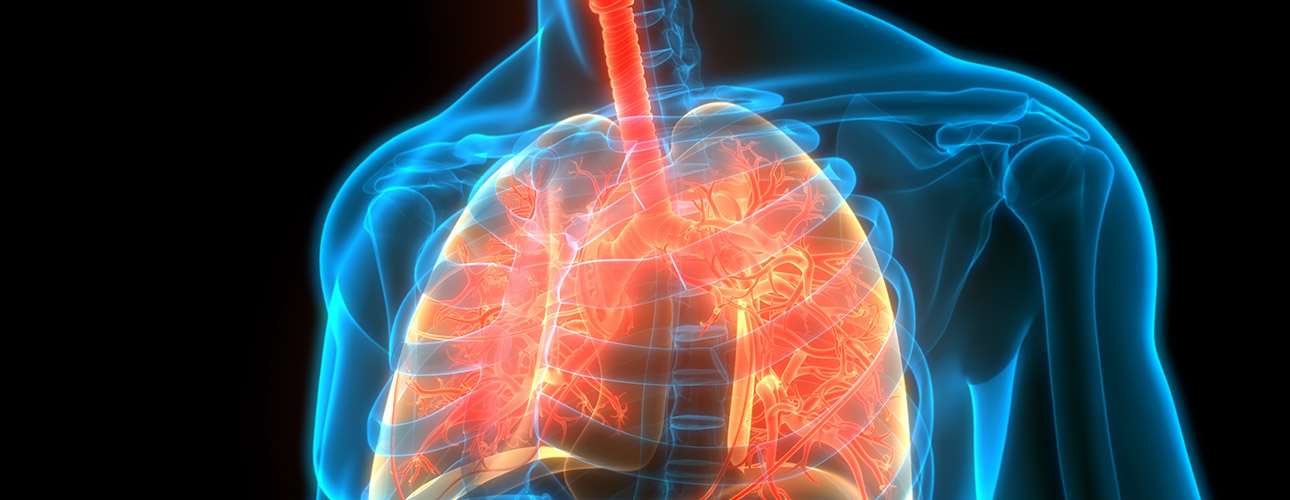
Cystic fibrosis (CF) is a progressive, life-limiting genetic condition affecting over 100,000 people worldwide, including more than 11,000 in the UK.
It is caused by mutations in the cystic fibrosis transmembrane conductance regulator (CFTR) gene which is responsible for a protein that regulates salt and water levels in the body. These mutations can lead to the build-up of thick mucus in the lungs, digestive tract and other parts of the body causing persistent chest infections, resulting in lung damage and premature death.
Our Approach
PIONEERING A DRUG DEVELOPMENT PROGRAMME
Queen’s University’s Cystic Fibrosis research team is internationally recognised, having worked for over 15 years supporting the development and evaluation of CFTR modulator therapies designed to retore CFTR protein function.
Prior to their work, treatments for CF had been primarily focused on symptom control. However, during the last decade, Queen’s University Belfast has been at the forefront of major advancements in drugs targeting the underlying genetic and protein deficit.
This work included the development of clinical trial protocols, and inclusion of key outcome measures such as, lung function (FEV1), pulmonary exacerbation rate, and Quality of Life (QoL) tools for use in clinical trials of new therapeutics.
Extensive clinical trial experience coupled with a Northern Ireland Clinical Trial Network infrastructure established by Queen’s and the Belfast Health and Social Care Trust, enabled Queen’s to play a central role in multinational drug development programmes, resulted in Queen’s playing a pivotal role in a drug development programme working alongside Vertex Pharmaceuticals and other partners to deliver Phase II and III trials of single, dual and triple combinations CFTR modulator therapies in Cystic Fibrosis.
Queen’s established one of the UK’s most active CF clinical trial programmes, integrating translational research with large scale trial delivery. Through collaboration with the Belfast Health and Social Care Trust, a dedicated clinical trials infrastructure was developed, enabling rapid start-up, high recruitment rates, and the delivery of complex multinational studies to regulatory standards.
Working with industry partners, contract research organisations, and the European CF Clinical Trial Network, Queen’s University has developed expertise in the delivery of clinical trials of single and multiple combination therapies.
Their expertise in Cystic Fibrosis, and with respect to clinical trials has hugely contributed to the outstanding progress in treating this severe, life shortening disease across more than a decade of dedicated help and knowledge.
- Vice-President of Medical Affairs, Vertex Pharmaceuticals
What impact did it make?
TRANSFORMING THE LIVES OF PEOPLE WITH CYSTIC FIBROSIS
These transformative therapies have significantly improved lung health and contributed to the regulatory approval of multiple breakthrough CF therapies.
The most recent trials successfully demonstrated that a combination of drugs can treat around 90% of people with CF by addressing the underlying cause of their disease. This new “triple therapy” has been shown to substantially improve lung function, enhance quality of life, and significantly reduce the frequency of severe chest infections.
Both the Food and Drug Administration and the European Medicines Agency approved Trikafta (US)/Kaftrio (EU) for use in 2020. The drug was hailed as a “landmark approval” by the FDA having an expedited approval process including Priority Review, Fast Track, Breakthrough Therapy, and orphan drug designation.
The importance of these CFTR modulators has also been recognised by experts in the international CF community. Dr Francis Collins, former Director of the US National Institutes of Health and one of the scientists who helped discover the CFTR gene in 1989, spoke about the importance of the Trikafta phase 3 trial results:
“…it has been 30 years that we've been hoping and dreaming for a day like this, where you could look at data and just absolutely — your jaw drops because it is so impressive and so good. Now we are at the point with this triple therapy where 90% of people with cystic fibrosis are going to have substantial and amazing benefit from the drug therapy…”
The Queen’s research team has played a leading role in developing and strengthening international CF research initiatives. Professor Stuart Elborn helped establish the European CF Clinical Trial Network. Professor Damian Downey was Director from 2021-2023 and remains a leading contributor to the development of new clinical trials. The Network now includes more than 60 research centres across 20 countries, providing co-ordinated trial access to tens of thousands of adults and children with CF across Europe and helping to accelerate the development of new treatments.
Our impact
Impact related to the UN Sustainable Development Goals
Learn more about Queen’s University’s commitment to nurturing a culture of sustainability and achieving the Sustainable Development Goals (SDGs) through research and education.