The Aconchego Program: Companionship for Students and the Elderly
If you’re a Queen's student with a desire to volunteer and are interested in studying in Portugal, the Aconchego Program may be a great fit for you.
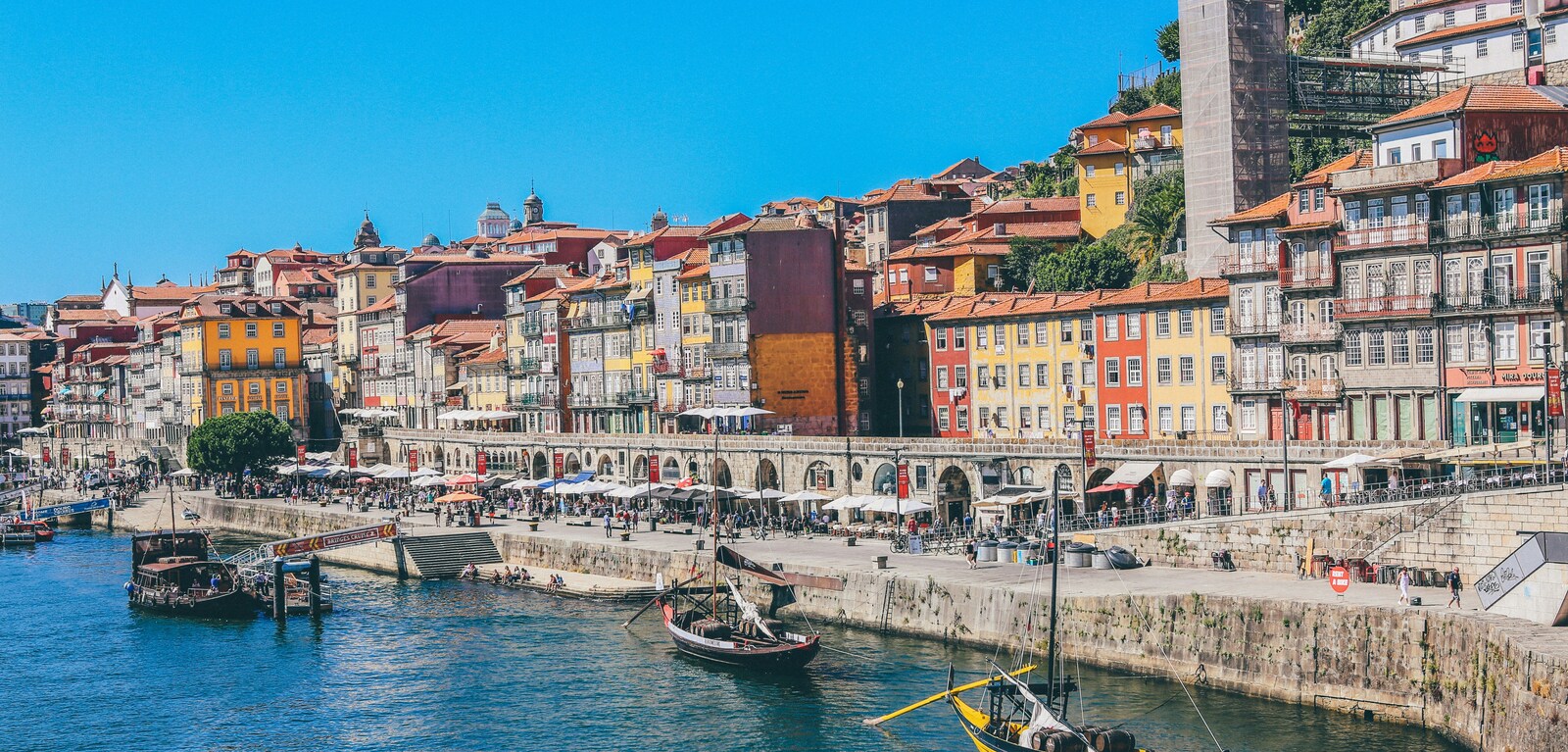
The Porto-based program pairs an elderly person with an international student studying in Porto in order to keep loneliness at bay for the elderly person and to provide the student with affordable living.
Why was the program created?
In an interview with Raquel Castelo Branco, head of department, she explained that Portugal is a country with a high aging population, the second most in Europe, and about a quarter of their elderly people live alone. Elderly people’s network often diminishes because their kids move to go study or work and they don’t always know their neighbours and greater community, which can lead to feelings of loneliness. This program strives to battle loneliness.

Program requirements
Currently, the Program receives high interest from students, especially as the cost of living increases. If a student is interested, they can apply, get interviewed by a team psychologist in the area, and have a detailed profile made in order to be best matched with an elderly person.
To be very clear, this is not a caretaker role. For this reason, the Program leads have to make sure that the elderly person actually wants to participate, that it is not their adult children wanting them to have someone around or not wanting to hire somebody to spend the night, especially as the student is not meant to play a caretaking role. One resident, for example, has participated in the Program since 2004 because she wants to have a student for companionship, but also has a caretaker for all of her medical needs; these roles are kept separate.
The requirements for an elderly person to participate is that they have to have a large enough home that allows the student to have their own bedroom and bathroom, while they can share the kitchen and other common spaces such as dining rooms. The student needs to be over 18 years old, entering university or higher education (including postgraduate education), speak Portuguese, and most importantly, have a strong desire to bond with an elderly person.
What does the program entail?
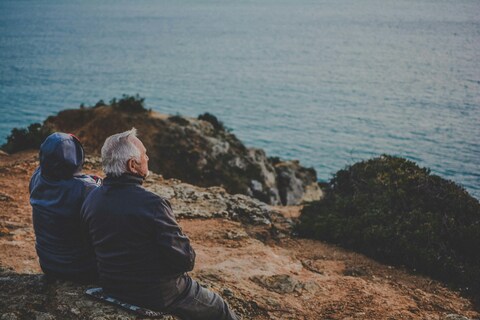
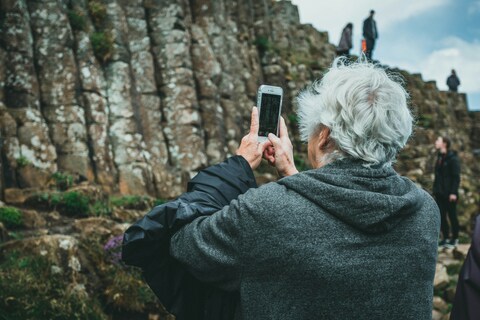
The student and elderly resident are encouraged to spend time together. They don’t have to make meals together and are not expected to do anything in particular. However, they often do eat together, go to the movies, celebrate holidays, and meet each other’s families. The pair can come to an agreement themselves about the time they want to spend together, but most become quite close, some even get close enough to refer to the resident as grandma or grandpa. They are encouraged to learn from the other and teach each other new skills. It is an especially good way for the resident to learn about technology - using WhatsApp, making video calls, and navigating digital tools.
The student will not pay rent. They are asked to contribute about 25 euros monthly towards groceries but most of the residents will not accept it, so the student typically pays nothing. However, the Program is looking for students who care, not someone just looking for a free stay. To foster time together, the student must sleep at the accommodation during weekdays with no obligation to stay overnight on the weekends. Each contract is one year and can be renewed continuously as long as you are studying higher education in Portugal. Once the student's time with the Aconchego Program is over, they often keep in touch through email, phone calls, and reunions.

The impact of the program
The impact of participation in this program is improving the quality of life of an elderly person opening up their home to somebody new, effectively diminishing their feelings of loneliness and bringing joy through companionship. Raquel recalls an elderly participant once telling her, “You know, just to know that someone is next door during the night, it makes me feel more confident and relieved. I can just call him if something happens and he’s right next door.” It is true that if there’s someone at home with the elderly participant, it can keep their mind active and delay many mental issues or diseases because they are obliged to talk and be occupied with this younger person.
The biggest constraint is ensuring that the elderly participants trust in the Program because they are bringing someone into their home. They need to feel safe so testimonials from those who participated can help potential participants trust the outcomes enough to join. To make sure they’ve made the right match, the Program workers call every week to know how things are going in the house and ensure there’s nothing wrong. They visit multiple times and after about four to five months, they switch to calling every now and again to check in. Since the Program’s introduction, however, an arrangement has only been interrupted twice, one of which was because a resident suddenly became ill and passed away at the hospital so the student had to be matched again.
There have been efforts to replicate the Program at several points in different places, but the technical part is difficult to implement. It is particularly important to keep the soul of the program the same. If the replicated programs attempt to charge rent, they would be causing a student to fulfill their obligation monetarily, making it less likely that they’ll try to connect. The Program depends on the humanity and kindness of the resident and student; that reciprocal relationship must be maintained.
This is what Raquel wants people to know the most - that the Program truly works. She explains, “People say some values are lost and people don’t care about each other and are selfish, but I think this program shows us that it’s not like that. We have people who want to care about another person, and are interested in helping. If it wasn’t for the program, the student may not be able to complete school and graduate. It’s mutually beneficial. These ties are forever, it lasts after the program. As people, we live from taking care of each other.”
If you’re a Queen's student interested in studying in Portugal and are hoping to make a positive difference in the life of an elderly person, look no further.
Find out more
Take a Virtual Tour of Queen's
Diana KachmanPublic Health | Postgraduate Student | Washington State, USAMy passion for public health and medicine stems from a desire to work with underrepresented peoples within the health field, especially the elderly, migrants, and indigenous communities. I am a Peruvian American from the Seattle area in Washington State. I graduated from Carleton College in Minnesota in 2023 with my degree in English and History. Outside of the classroom, I enjoy reading, baking, hiking, and salsa dancing. I love travelling to learn about new cultures and am happy to connect with students from all paths and backgrounds. |
 |