Why Should a Young Person Go to University/Pursue Higher Education?
Lebanese student Ghada gives some compelling reasons why attending university and pursuing higher education remains a valuable and transformative experience.
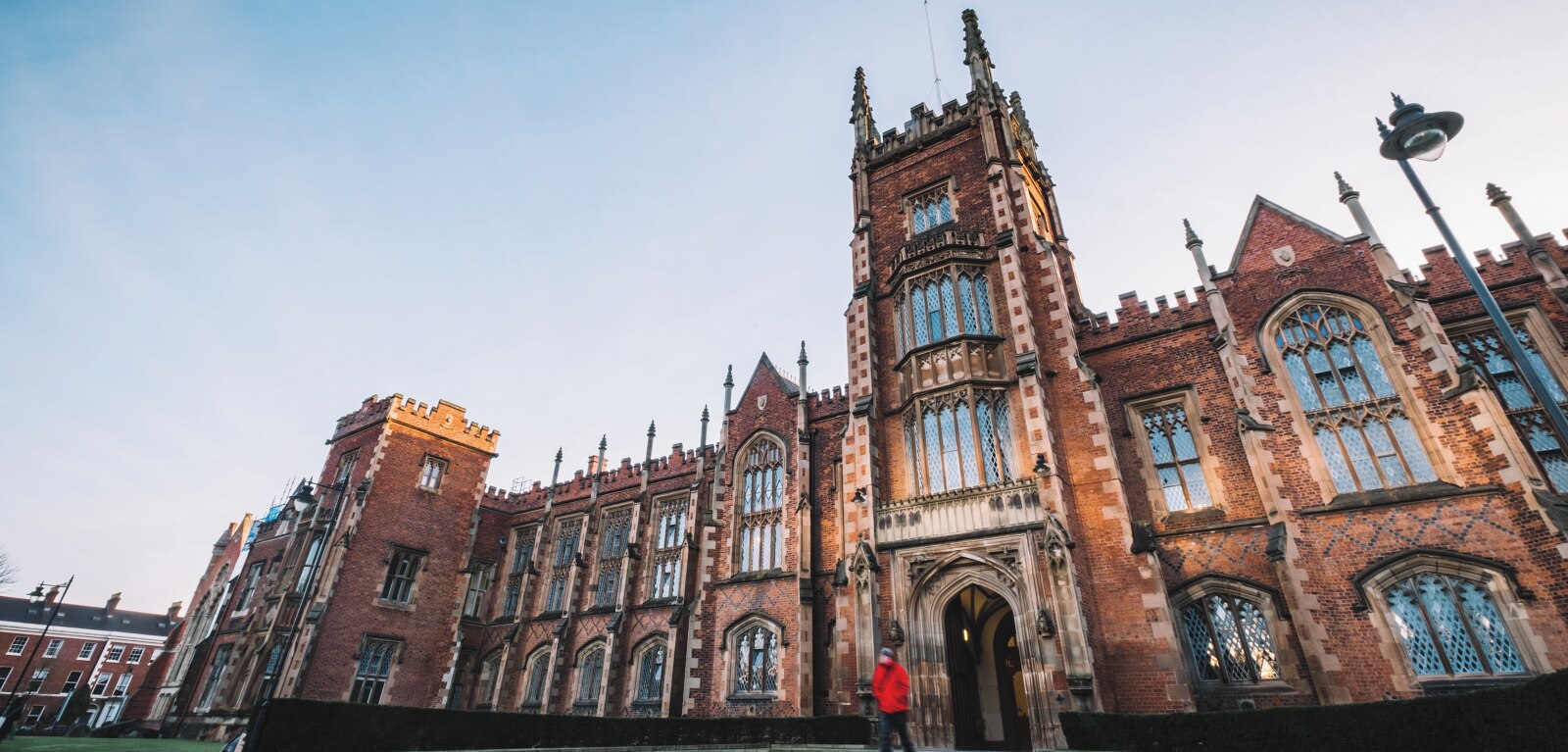
In our rapidly evolving world, whether a young person should pursue higher education has become an increasingly pertinent topic. Many young individuals find themselves at a crossroads with the rise of alternative learning platforms and a growing emphasis on entrepreneurship.
However, despite the allure of unconventional paths, there are compelling reasons why attending university and pursuing higher education remains a valuable and transformative experience.
Broadening Horizons and Cultivating Critical Thinking
Higher education is about acquiring job-specific skills and fostering a well-rounded intellectual foundation. Universities expose students to various subjects, viewpoints, and disciplines. This exposure encourages critical thinking, problem-solving, and analytical skills essential in personal and professional life. Engaging with complex ideas and diverse perspectives helps students develop a more nuanced understanding of the world, equipping them to navigate an increasingly complex global landscape.
Why choose Queen's for undergraduate study?
Professional Advancement and Economic Benefits
Higher education's most tangible benefits are increased employability and earning potential. Numerous studies have demonstrated that individuals with a university degree tend to have lower unemployment rates and higher lifetime earnings than those with only a high school diploma.
91% of Queen’s graduates were in employment and/or further study 15 months after completing their course (HESA Graduate Outcomes, 2021/22).
A degree is a prerequisite for entry-level positions in many fields, and higher education often opens doors to advanced career opportunities. Moreover, the skills and knowledge gained at university can provide a competitive edge in the job market, making graduates more attractive to potential employers.
Hear more about Careers, Employability and Skills at Queen's
Personal Growth and Independence
University life offers a unique environment for personal growth and self-discovery. For many young people, it is their first experience living away from home, managing their schedules, and making independent decisions. This newfound independence fosters maturity, resilience, and a sense of responsibility.
Additionally, the social aspects of university life—forming friendships, participating in extracurricular activities, and engaging in campus events—contribute to developing interpersonal skills and a strong support network.
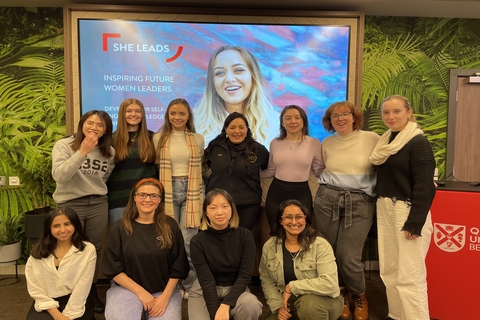
Queen's offers opportunities such as the She Leads programme
Networking Opportunities
The connections made during university can impact a young person's career and personal life. Universities bring together individuals from diverse backgrounds and interests, providing a fertile ground for networking.
These connections can lead to mentorship opportunities, collaborations, and lifelong friendships. Furthermore, alumni networks and university-affiliated organisations often offer valuable resources and support for graduates as they navigate their careers.

Make lifelong friends through university clubs and societies
Access to Resources and Expertise
Universities are hubs of knowledge and innovation, housing state-of-the-art facilities, libraries, and research centres. Students have access to a wealth of resources and expertise that can significantly enhance their learning experience.
Engaging with faculty members who are experts in their fields provides students with insights and guidance that are difficult to obtain elsewhere. Additionally, universities often offer career services, internships, and placement programmes that help students transition smoothly from education to employment.
Take a tour of the Queen's campus and facilities
Lifelong Learning and Adaptability
In an era of rapid technological advancement and shifting job markets, adapting and continuously learning is crucial. Higher education instills a love for learning and encourages intellectual curiosity, invaluable traits in a constantly changing world. The skills and habits developed during university enable graduates to adapt to new challenges, pursue further education, and stay relevant in their chosen fields.
While it is compelling to speed through life, take shortcuts, or even lean towards the most convenient and fast, the key to success lies in slow and steady steps leading to a sustained and lasting path. The benefits of higher education are multifaceted and enduring; think of it like a passport that'll allow you to travel the world.
Attending university gives young people a solid foundation for professional success, personal growth, and lifelong learning. It broadens their horizons, enhances their critical thinking abilities, and equips them with the skills needed to thrive in an ever-evolving world. It's an investment that'll keep giving back.
Find out more
Take a virtual tour of Queen's
VIDEO: My Top Ten Tips for First Years
Ghada Al FakihClinical Health Psychology | Postgraduate Student | Beirut, LebanonGhada Al Fakih is a passionate, hard-working, and selfless individual, devoted to helping others grow, while elevating surrounding vibrations with harmony and positivity. She is a well-rounded and accomplished individual with a strong passion for helping others. She is a valuable asset to any team and is sure to make a positive impact on the world. Ghada is pursuing her Master of Science in Clinical Health Psychology at Queen's University Belfast. She has a strong background in psychology and public health. She is a certified Emotional Liberation Breathing Practitioner and has completed a clinical psychology rotation at the American University of Beirut Medical Center. |
 |