78% of 16-year-olds in NI say that young people are less respected due to their age - major study
A major new study led by the Centre for Children’s Rights at Queen’s is challenging how society understands respect and disrespect in the lives of children and young people - and places their voices at the heart of research.
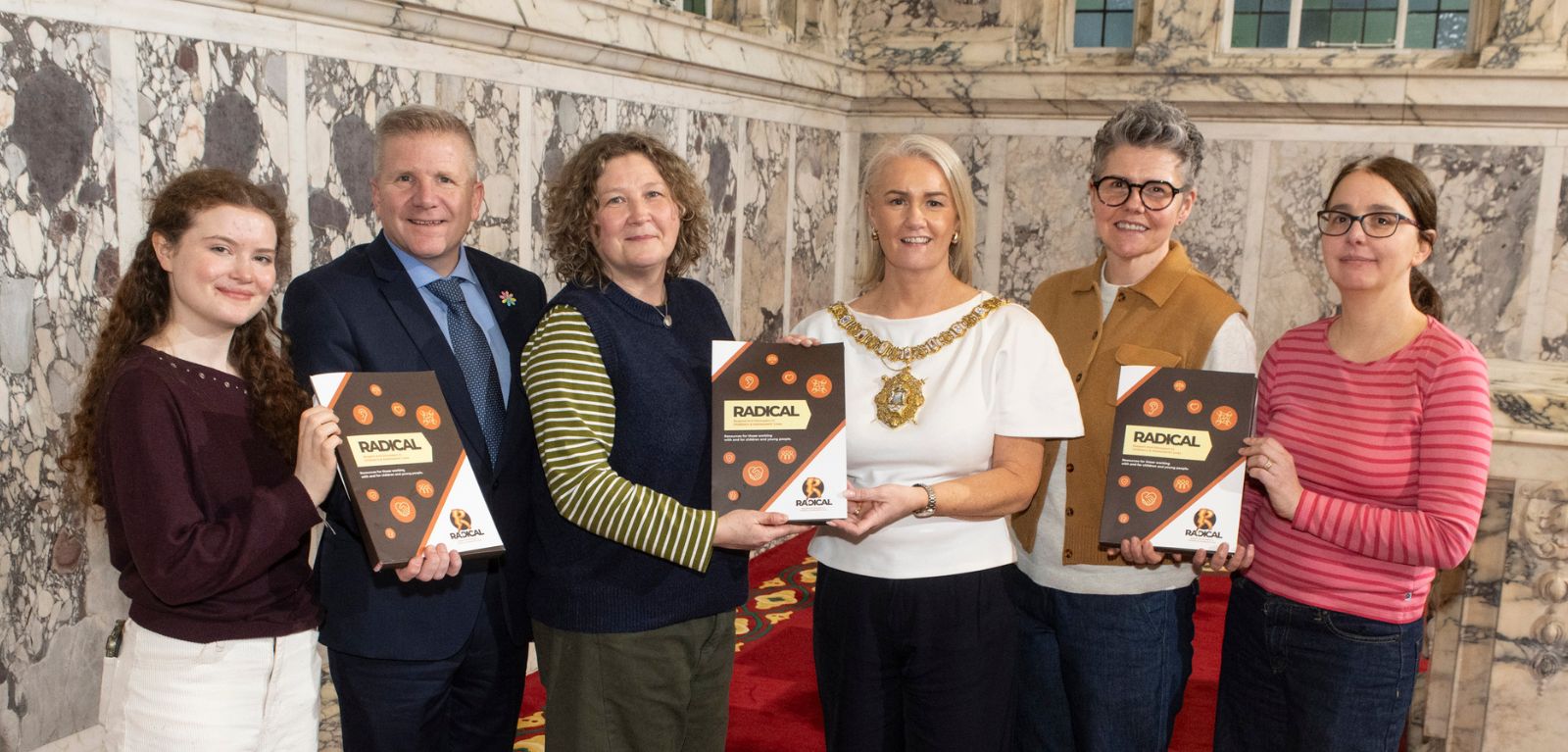
Children and young people are frequently criticised for lacking respect or needing to be taught it, however new findings from the RADICAL (Respect and Disrespect in Children’s and Adolescents’ Lives) project reveal that many children and young people experience disrespect themselves.
The research found that females, same-sex attracted young people aged 16, those with a disability and those from less affluent family backgrounds reported experiencing more types of disrespect and disrespect in more contexts.
Children and young people who reported having poorer mental health were more likely to have experienced disrespect.
The project explored how children and young people experience respect, and disrespect, across settings including schools, youth services, sports, policing and justice, and public spaces. The focus and design of the study were developed with advisory groups of children and young people, who helped shape the questions, priorities and outputs of the project.
Funded by the Economic and Social Research Council (ESRC), in partnership with the University of Strathclyde, Ulster University, Belfast City Council, the Scouts NI, and led by Queen’s, it involved surveys, group discussions and interviews, capturing the views and experiences of over 5,300 children and young people across Northern Ireland
From the surveys, sexism emerged as the type of disrespect most likely to be experienced by young people. Almost half (49%) of 16-year-olds said that they had experienced sexism a few times or many times. 62% of young women said they had personally experienced sexism a few times or quite often, compared to 31% of young men.
64% of young people surveyed who identified as belonging to a minority ethnic community experienced disrespect in the form of racism at least once, with 25% having experienced it quite often.
Other key findings include:
- Children and young people frequently feel dismissed, unheard and undervalued because of their age.
- Many described experiences of not being listened to, included or treated fairly in schools, public spaces and services. Young people were more likely than children to be disrespected in schools, on public transport and in shops. Many felt this was because of age-based stereotypes and discrimination.
- Policing was consistently identified by children and young people as a source of disrespect.
The research also highlights where children and young people feel most respected, particularly youth provision, and shows that respect has powerful, positive impacts. When they feel respected - cared for, included, listened to and valued - they are more likely to engage, participate and thrive. In school environments where young people experience respect, they report higher attendance, stronger engagement and improved wellbeing.
The research suggests that if respect becomes the starting point for how services are designed and delivered, it can improve engagement, safety and wellbeing for all children and young people.
Dr Siobhán McAlister, Principal Investigator and from the Centre for Children’s Rights at Queen’s said: “This is one of the first large-scale UK studies to centre children and young people’s own definitions and experiences of respect and disrespect. By reversing the lens and asking how adults, institutions and systems demonstrate, or fail to demonstrate, respect towards children, the research offers new insights for policymakers and practitioners.”
Dr Gail Neill from Ulster University commented: “Youth services consistently stand out in this study as the places where young people feel most respected - safe, valued and heard. At a time of ongoing funding insecurity, this evidence reinforces the case for sustained investment in universal youth provision.”
Reflecting on the project findings, Chris Quinn NI Commissioner for Children and Young People said: “RADICAL challenges a long-standing cultural assumption that respect primarily flows upwards towards adults. Instead, it argues that children and young people, as rights-holders, are equally entitled to experience respect.”
The RADICAL project was launched as a suite of free public resources at Belfast City Hall on 23 February 2026.
The resources, co-designed with children and young people, include two short films and a series of practical research briefings covering education, youth work, sport, policing and justice, public space, and the specific experiences of disabled and LGBTQ children and young people.
Lord Mayor of Belfast City Council, Councillor Tracy Kelly commented: “The findings of the Radical project are a powerful wake-up call for all of us in leadership. It is deeply concerning that 78% of our 16-year-olds feel less respected simply because of their age, and that so many - particularly young women and those from minority backgrounds - continue to face the sting of sexism and racism.
“This study, led by Queen’s University Belfast, proves that when our youth feel heard and valued, they don't just participate - they thrive.”
Speaking of her hopes for the research findings, Cara Kerlin, Chair of Belfast City Youth Council and co-researcher said: “I hope this research gives adults a clearer understanding of what respect means to and from young people’s perspective, so they can engage with children and young people more thoughtfully and intentionally.”
For more information about RADICAL and to access the free resources, please visit: http://go.qub.ac.uk/RADICAL